Why Is My Hair Breaking Off? A Complete Guide to Causes and Solutions
7 min read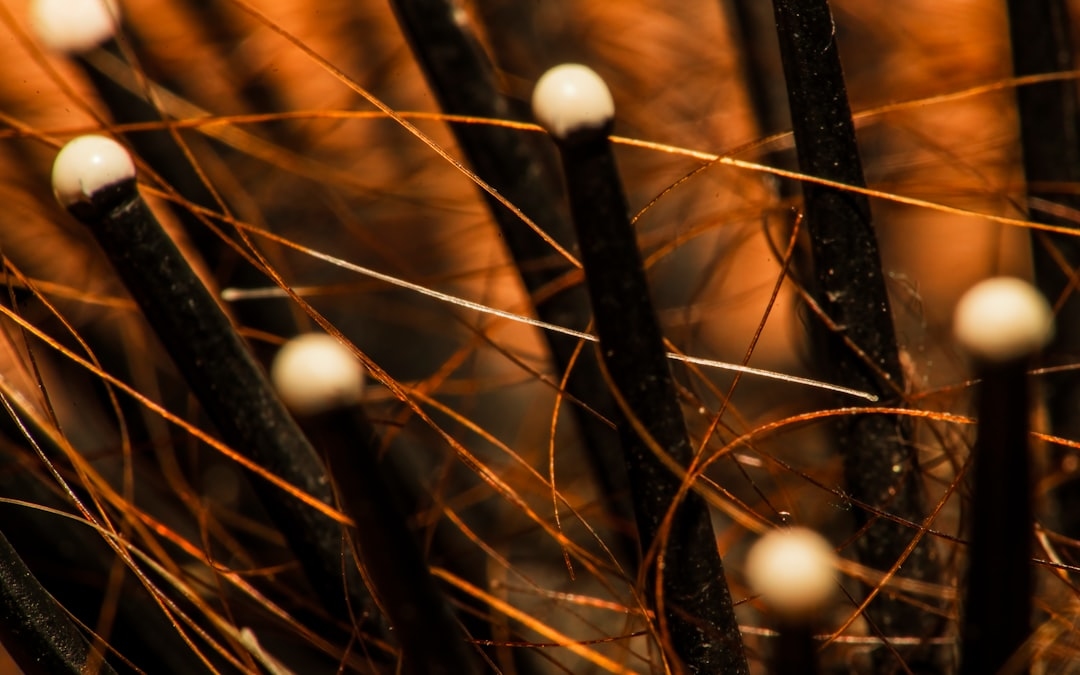
Contents:
- Understanding Hair Structure and Why Breakage Occurs
- Why Is My Hair Breaking Off: The Main Culprits
- Heat Styling Without Protection
- Harsh Chemical Treatments
- Moisture Deficiency
- Mechanical Stress and Friction
- Nutritional Gaps and Health Factors
- Common Mistakes to Avoid
- Budget-Friendly Solutions That Actually Work
- The Foundation: Gentle Cleansing
- Strategic Conditioning
- Heat Protection as Non-Negotiable
- Reduce Heat Styling Frequency
- Embrace Protective Styling
- Sustainability in Hair Care
- When to Seek Professional Help
- Frequently Asked Questions
- How long does it take to see improvement in hair breakage?
- Can I fix breakage with products alone?
- Is breakage different from shedding?
- What’s the best deep conditioning treatment on a budget?
- Can hair type affect breakage risk?
- Taking Action Today
In Victorian England, women with long, lustrous hair were considered the epitome of beauty and health. Yet even then, the wealthy sought remedies for hair damage—investing in elaborate conditioning rituals and rare oils. Fast forward to today, and hair breakage remains one of the most common complaints hairstylists hear. The difference? You don’t need a fortune to fix it.
Why is my hair breaking off? This question deserves a real answer, not just “use expensive shampoo.” Hair breakage stems from multiple causes, many of which you can control. Whether your strands are snapping at the ends or breaking mid-shaft, understanding what’s happening at the microscopic level helps you reclaim healthy hair.
Understanding Hair Structure and Why Breakage Occurs
Hair isn’t simply a single strand. Each hair shaft contains three layers: the cuticle (outer protective layer), the cortex (middle layer with proteins that give hair strength), and the medulla (inner core). Breakage happens when these layers weaken and separate.
Moisture imbalance is a primary culprit. Your cortex needs water and protein in balance. Too much moisture causes swelling; too little causes brittleness. Studies show that hair with balanced moisture content can stretch 20-30% before breaking, whilst dehydrated hair fails at less than 5% stretch. This difference is massive.
The second factor? Cumulative damage. Unlike skin cells that regenerate, hair doesn’t repair itself. Once damage occurs—from heat, chemicals, or friction—it compounds. A single blow-dry might cause minimal damage, but repeated daily blow-dries without protection stack up over weeks and months.
Why Is My Hair Breaking Off: The Main Culprits
Heat Styling Without Protection
Blow-dryers, flat irons, and curling tools reach temperatures of 150-230°C. Unprotected hair suffers protein denaturation—the very structure that holds hair together literally unravels. The heat forces moisture out through the cuticle, leaving the cortex exposed and vulnerable.
A reader from Manchester shared her breakthrough moment: after switching to a heat protectant spray (she uses a budget option at £3-4 per bottle) and reducing blow-dry frequency to three times weekly, her breakage dropped by about 60% within eight weeks. She still uses heat, but with a barrier in place.
Harsh Chemical Treatments
Bleaching, relaxing, or permanent colouring chemically alters the hair structure. Permanent colour opens the cuticle, deposits pigment, and requires precise timing to avoid over-processing. Over-processed hair shows signs within days: dull texture, lack of elasticity, and visible breakage.
Relaxers—which chemically straighten hair—alter the protein bonds that give hair strength. Using relaxers more frequently than every 8-12 weeks (or overlapping previously treated hair) causes severe breakage. This is why professionals stress: never relax hair from root to tip repeatedly.
Moisture Deficiency
Dry hair snaps. The UK’s climate doesn’t help—central heating, low winter humidity, and hard water all dehydrate hair. A dry hair test is simple: hold a strand and try to stretch it slightly. If it breaks without stretching, dehydration is likely the issue.
Natural oils (sebum) protect hair, but they don’t travel the full length of long hair. This is why tips are drier than roots. Clarifying shampoos and frequent shampooing strip these oils further. People with finer hair or curly hair are especially vulnerable, as sebum doesn’t naturally distribute as easily.
Mechanical Stress and Friction
How you handle hair matters enormously. Rough towel-drying, aggressive brushing, and tight hairstyles all cause breakage. Hair is most vulnerable when wet—the cuticle swells, and friction separates it from the cortex more easily.
Sleeping on a cotton pillowcase creates friction nightly. Silk or satin pillowcases (roughly £8-15) reduce friction significantly. The same applies to scrunchies: tight elastics bend and break hair. Softer hair ties or scrunchies distribute pressure more evenly.
Nutritional Gaps and Health Factors
Hair growth depends on adequate protein, iron, zinc, and B vitamins. Severe deficiencies show as weak, brittle hair that breaks easily. Stress hormones and poor sleep also weaken hair—chronic stress increases cortisol, which can trigger premature hair shedding and weakening of the hair shaft itself.
Thyroid imbalance, iron-deficiency anaemia, and autoimmune conditions can all manifest as sudden hair breakage. If your breakage is accompanied by other symptoms (fatigue, weight changes, skin issues), consulting a GP is worthwhile.
Common Mistakes to Avoid
- Over-conditioning: Yes, too much conditioning causes overdevelopment, making hair limp and prone to breakage. Aim for one deep condition weekly, not daily.
- Using protein treatments every week: Protein builds elasticity, but excessive protein causes stiffness and brittleness. Alternate protein treatments with moisturising ones, roughly every other week.
- Brushing wet hair aggressively: Wet hair is fragile. Use a wide-tooth comb on wet hair, starting at the ends and working upward gently.
- Ignoring split ends: Split ends travel upward, breaking hair further. Trim every 6-8 weeks, even if just removing a quarter-inch.
- Assuming all breakage needs the same solution: Protein-deficient hair needs protein; moisture-deficient hair needs hydration. Treating dehydrated hair with heavy protein makes it worse.
Budget-Friendly Solutions That Actually Work
The Foundation: Gentle Cleansing
Switch to a sulphate-free shampoo (£4-6). Sulphates strip natural oils aggressively. Shampoo once or twice weekly, not daily. On other days, rinse with water only or use a dry shampoo. This preserves the natural protective layer on your scalp and hair.
Strategic Conditioning
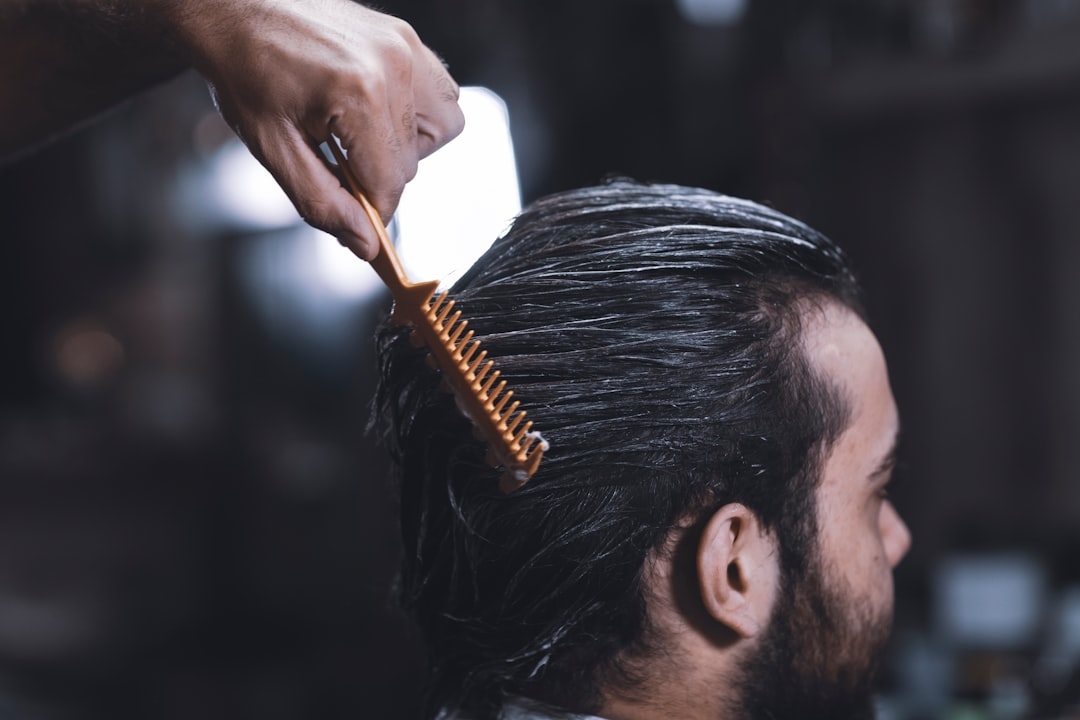
Condition from mid-length to ends, never the roots. Leave conditioner on for 2-3 minutes. Once weekly, use a deep conditioning treatment—even a homemade one (coconut oil, olive oil, or avocado mixed with your regular conditioner) works well. Cost: under £1 per treatment if using kitchen ingredients.
Heat Protection as Non-Negotiable
Budget heat protectant sprays (£3-5) use silicones to create a moisture-sealing barrier. Apply to damp hair before blow-drying. This single step reduces breakage substantially without expense.
Reduce Heat Styling Frequency
Air-dry when possible. Blow-dry only 2-3 times weekly. Use lower heat settings (around 120-140°C) where the tool allows. This costs nothing but time and patience, yet delivers results within weeks.
Embrace Protective Styling
Loose braids, buns, or twists protect hair from friction. Tight styles (slicked-back buns, tight cornrows) cause traction alopecia—gradual hair loss from tension. Keep styles loose and rotate them daily to avoid stress on the same follicles.
Sustainability in Hair Care
Choose solid shampoo and conditioner bars (lasting roughly twice as long as liquid versions, reducing plastic waste). Buy refillable packaging where available. Homemade treatments from kitchen scraps eliminate packaging entirely. Budget-conscious choices and eco-friendly practices often align—less consumption, lower cost, lower environmental impact.
When to Seek Professional Help
Excessive breakage accompanied by sudden hair loss, scalp irritation, or other health changes warrants a GP visit. If you’ve had recent chemical treatments and notice alarming breakage, consult a trichologist (a hair and scalp specialist; UK consultations range from £60-150). They can assess whether damage is superficial or structural, and whether it’s reversible.
Frequently Asked Questions
How long does it take to see improvement in hair breakage?
Hair grows roughly 6 inches per year (15 cm). Visible improvement appears within 4-8 weeks if you’ve eliminated the cause, though structural repair of existing lengths is limited. New growth will be healthier and stronger. Trim damaged ends periodically to maintain appearance whilst new, undamaged hair replaces older growth.
Can I fix breakage with products alone?
No. Products help, but they can’t reverse structural damage. They can prevent future breakage and improve appearance. The real fixes are behavioural: reducing heat, handling hair gently, maintaining hydration, and addressing nutritional gaps. Products support these changes; they don’t replace them.
Is breakage different from shedding?
Yes. Shedding is losing full strands (normal, 50-100 per day). Breakage is snapping of the hair shaft mid-length or at the ends. Breakage leaves short fragments on your brush or clothes. Both can happen, but breakage is preventable through the methods discussed here.
What’s the best deep conditioning treatment on a budget?
Coconut oil mixed with your regular conditioner (one part oil, two parts conditioner) works excellently for most hair types. Apply to damp hair, leave 10-20 minutes, then shampoo out. Cost: under £1. For fine or oily hair, try a diluted apple cider vinegar rinse (one tablespoon vinegar per litre of water) instead, which costs pennies.
Can hair type affect breakage risk?
Absolutely. Curly and coily hair breaks more easily because the natural curl pattern creates stress points and makes oil distribution harder. Fine hair lacks thickness to resist breakage. Chemically treated hair is more vulnerable. Regardless of type, the core fixes—moisture balance, gentle handling, and reduced heat—apply universally.
Taking Action Today
Stopping hair breakage isn’t mysterious or expensive. It demands consistency over perfection. Pick one change this week—perhaps switching to a silk pillowcase or starting a heat protectant spray. Next week, add another. By month two, you’ll notice denser, healthier strands with far fewer breakage points. Hair reflects care, not genetics alone. Your breakage journey can turn around starting today.