Can You Use Dyson Airwrap on Dry Hair? A Stylist’s Guide
7 min read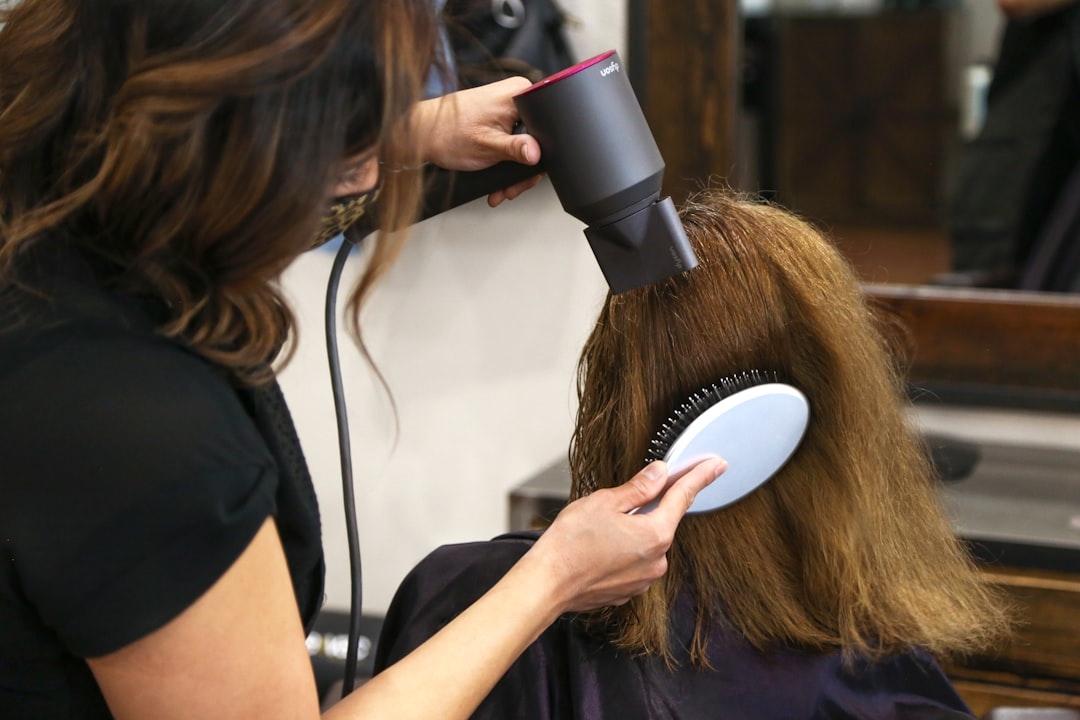
Contents:
- The Short Answer: Yes, But With Conditions
- Understanding How the Dyson Airwrap Actually Works
- Why Damp Hair Produces Better Results
- How to Prepare Your Hair for the Airwrap
- Regional Styling Preferences: How Geography Affects Your Approach
- Dyson Airwrap vs. Traditional Curling Irons: Why the Difference Matters
- Step-by-Step: Using the Airwrap on Damp Hair
- What Happens If You Try the Airwrap on Completely Dry Hair
- Cost Breakdown: Is the Dyson Airwrap Worth It?
- Frequently Asked Questions
- Can I use the Dyson Airwrap on second-day hair without wetting it first?
- What’s the best heat setting to use on damp hair?
- Will the Dyson Airwrap frizz my hair if I use it on damp hair?
- How long should my hair be to see good results with the Airwrap?
- Can I use the Airwrap on fine, delicate hair?
- The Bottom Line: Timing Is Everything
The warm breeze hits your face as you stand in front of the mirror, fingers running through damp strands of freshly washed hair. You’ve heard about the Dyson Airwrap for months—friends raving about waves, curls, and volume created with what looks like effortless technique. But here’s the question that’s been nagging you: can you actually use it on hair that’s already dry? The answer might surprise you, and it’s more nuanced than a simple yes or no.
The Short Answer: Yes, But With Conditions
You can use the Dyson Airwrap on dry hair, but it works best on damp hair with about 50-80% moisture content. Completely dry hair presents challenges with grip, styling precision, and the heat mechanism’s effectiveness. Think of it this way: the Dyson Airwrap uses air pressure and heat working together, and that duo performs optimally when there’s still some hydration to work with.
Understanding How the Dyson Airwrap Actually Works
Before diving into technique, it helps to understand the science. The Dyson Airwrap doesn’t work like a traditional curling iron or straightener. Instead of high direct heat, it uses a phenomenon called the Coanda effect—fast-moving air attaches your hair to the barrel and locks it in place. This air-based styling is gentler than conventional hot tools, which is why many people with fine or damaged hair find it less drying over time.
The device heats air to around 65°C (compared to 200°C+ for standard stylers), releasing it at high speed. This mechanism requires your hair to have enough moisture and structure to respond properly. Bone-dry hair lacks the pliability needed for the Coanda effect to grip effectively.
Why Damp Hair Produces Better Results
Styling your hair when it’s damp (not soaking wet, but definitely not desert-dry) gives you several advantages:
- Better grip: The air clings to damp strands more effectively, meaning your curls or waves hold shape as they cool
- Faster styling: Damp hair sets styles quicker; completely dry hair resists the Airwrap’s airflow
- More volume: Moisture allows your hair to be shaped before drying fully, locking in the style you want
- Reduced frizz: Styling damp hair seals the cuticle as it dries, whereas starting with dry hair can create flyaways
- Healthier results: Your hair’s moisture is still there to protect it; you’re not trying to force dry hair to absorb heat damage recovery
How to Prepare Your Hair for the Airwrap
Getting the moisture level right is half the battle. Start by washing your hair as you normally would, then towel-dry—not blow-dry. You want that damp-but-not-dripping stage. Aim for roughly 20-30 minutes after a shower, depending on your hair thickness and texture.
Apply a heat protectant spray before styling. This creates a barrier against thermal stress and helps lock in moisture. Popular UK options include Bumble and bumble Thickening Full Form Mousse or Philip Kingsley Elasticizer, which range from £18-£35 depending on size.
For extra hold without damaging your hair, use a lightweight styling cream or mousse. Apply it to damp hair in sections—this helps the Airwrap grip better and ensures even styling. If your hair is very fine, a volumising mousse works brilliantly; if it’s thick or coarse, a smoother cream-based product prevents frizz.
Regional Styling Preferences: How Geography Affects Your Approach
Interestingly, how people use the Dyson Airwrap varies by region. In the Northeast and Scotland, where humidity levels are lower, stylists often recommend starting with slightly more moisture—damp hair that’s been spritzed again before styling—because dry air evaporates moisture faster. On the South Coast and milder areas with higher humidity, you might find that truly damp hair (the natural post-shower state) works perfectly.
West Coast users often benefit from the Airwrap’s gentleness because many are balancing colour-treated hair in sunny climates. Starting with damp, moisturised hair is crucial here to prevent moisture loss. The lesson: adjust your starting moisture level based on your local climate and your hair’s current condition.
Dyson Airwrap vs. Traditional Curling Irons: Why the Difference Matters
You might wonder: can’t I just use a regular curling iron on dry hair? Yes, but there’s a critical difference. A traditional curling iron relies on very high temperatures (200-230°C) to set curls into dry strands. It works, but at a cost to your hair’s moisture and protein structure.
The Dyson Airwrap, by contrast, uses lower heat and air pressure. This kinder approach requires that your hair still has natural moisture to respond to the styling mechanism. Completely dry hair won’t grip the barrel effectively because there’s nothing “sticky” for the air to hold onto. In short: the Airwrap is gentler because it works better on damp hair, not despite it.
Step-by-Step: Using the Airwrap on Damp Hair
Here’s the method that works best:
- Wash and towel-dry your hair until it’s damp but not soaking
- Apply heat protectant and styling mousse or cream to sections
- Switch the Airwrap to low heat and high speed initially (this creates the Coanda effect without drying too fast)
- Start at the roots, wrapping a small section around the barrel
- Hold for 10-15 seconds, allowing the hair to set as it dries
- Release slowly and move to the next section
- Increase heat on subsequent passes if needed, but most people find low heat sufficient on damp hair
- Finish with a cool shot to lock in shine and set your style
What Happens If You Try the Airwrap on Completely Dry Hair
If you’ve already blow-dried your hair and then attempt the Airwrap, you’ll likely notice:
- Weak or floppy curls that fall flat within minutes
- Difficulty getting the barrel to grip your strands
- Reduced volume because the style isn’t set during the drying process
- More frizz and flyaways (the cuticle isn’t sealed during styling)
- A less polished finish overall
That said, if you absolutely must use it on dry hair, add moisture back in: use a wet brush to dampen your hair slightly, or spray a light mist of water before styling. It’s not ideal, but it’s more effective than attempting the Airwrap on bone-dry hair.
Cost Breakdown: Is the Dyson Airwrap Worth It?
Investment matters, so let’s be honest about pricing. The Dyson Airwrap costs approximately £449-£499 in the UK (depending on the barrel set you choose). That’s a significant outlay.
- Dyson Airwrap Complete: £499 (includes three barrel sizes and attachments)
- Dyson Airwrap Multi: £449 (two barrel sizes, fewer attachments)
- Replacement barrels: £39-£49 each
- Heat protectant spray: £18-£25
- Professional styling products: £20-£35
If you’re already investing in quality haircare, the Airwrap makes sense—especially if you colour-treat your hair or want healthier styling results long-term. Many users find it replaces 2-3 other tools, offsetting the upfront cost. However, if you rarely style your hair, it may be overkill.
Frequently Asked Questions
Can I use the Dyson Airwrap on second-day hair without wetting it first?
Not effectively. Second-day hair (even if it looks dry) has less natural moisture for the Coanda effect to work with. The best approach: lightly spray your hair with water or a dry shampoo alternative, wait 30 seconds for it to absorb, then style. This restores just enough moisture for optimal results.
What’s the best heat setting to use on damp hair?
Start on low heat and high speed. This allows the air pressure to do most of the work while gentle heat sets your style as your hair dries naturally. Most people achieve excellent results without ever moving to medium or high heat. High heat is really only necessary if you’re working with very thick, coarse, or stubborn hair textures.
Will the Dyson Airwrap frizz my hair if I use it on damp hair?
When used correctly on properly damp hair with a heat protectant, the Airwrap typically reduces frizz because you’re sealing the cuticle as the hair dries. Problems arise when hair is either soaking wet (excess water causes frizz) or completely dry (you’re disturbing the cuticle without moisture to protect it).
How long should my hair be to see good results with the Airwrap?
Hair should ideally be at least shoulder-length, though mid-length works beautifully. Very short hair (pixie cuts, bobs under 20cm) struggles because there isn’t enough length for the barrel to grip. Hair longer than hip-length works fine but requires more patience and more sections.
Can I use the Airwrap on fine, delicate hair?
Yes—in fact, fine hair often loves the Airwrap because it’s gentler than traditional hot tools. The key: use slightly less heat and always start on damp hair. Fine hair dries faster, so your timing window is shorter, but the results are usually less damaged and more voluminous than with conventional stylers.
The Bottom Line: Timing Is Everything
The Dyson Airwrap works on dry hair only in theory; in practice, damp hair is where this tool shines. The moisture allows the Coanda effect to grip your strands properly, the heat sets your style as your hair dries, and you end up with smoother, frizzier-free curls or waves that actually last.
Plan your styling routine around this: wash your hair, towel-dry, apply your products, and grab the Airwrap within 20-30 minutes. That window is when your tool works at its best and when you’ll see why people rave about it. Skip the temptation to style bone-dry hair, and you’ll transform your results immediately.