Are Silk Pillowcases Good for Hair? What Actually Happens While You Sleep
6 min read
Contents:
- Understanding Cotton Versus Silk at the Microscopic Level
- The Science of Friction and Hair Damage During Sleep
- What the Professionals Know
- Are Silk Pillowcases Good for Different Hair Types?
- Curly and Textured Hair
- Fine or Thin Hair
- Straight Hair Without Damage
- Colour-Treated or Heat-Damaged Hair
- Practical Silk Pillowcase Considerations
- Cost and Value
- Durability and Maintenance
- Seasonal Timing Considerations
- Winter (November-January)
- Summer (June-August)
- Alternatives and Complementary Strategies
- FAQ
- Do silk pillowcases actually reduce breakage?
- Are silk pillowcases worth the money?
- How often should I wash silk pillowcases?
- Are satin pillowcases as good as silk?
- Can I wash my hair less frequently if I use a silk pillowcase?
You’ve probably seen silk pillowcases everywhere—Instagram influencers swear by them, beauty bloggers recommend them, and retailers stock them alongside expensive skincare. The promise is appealing: better hair, less frizz, reduced breakage, all whilst you sleep. But are silk pillowcases actually good for your hair, or is this another case of marketing genius selling a pricey solution to a problem that doesn’t exist?
The practical truth sits between the hype and the scepticism. Silk pillowcases genuinely provide modest hair benefits. They’re not a miraculous transformation, but they’re also not pointless. Whether they’re right for you depends on your hair type, budget, and sleep habits.
Understanding Cotton Versus Silk at the Microscopic Level
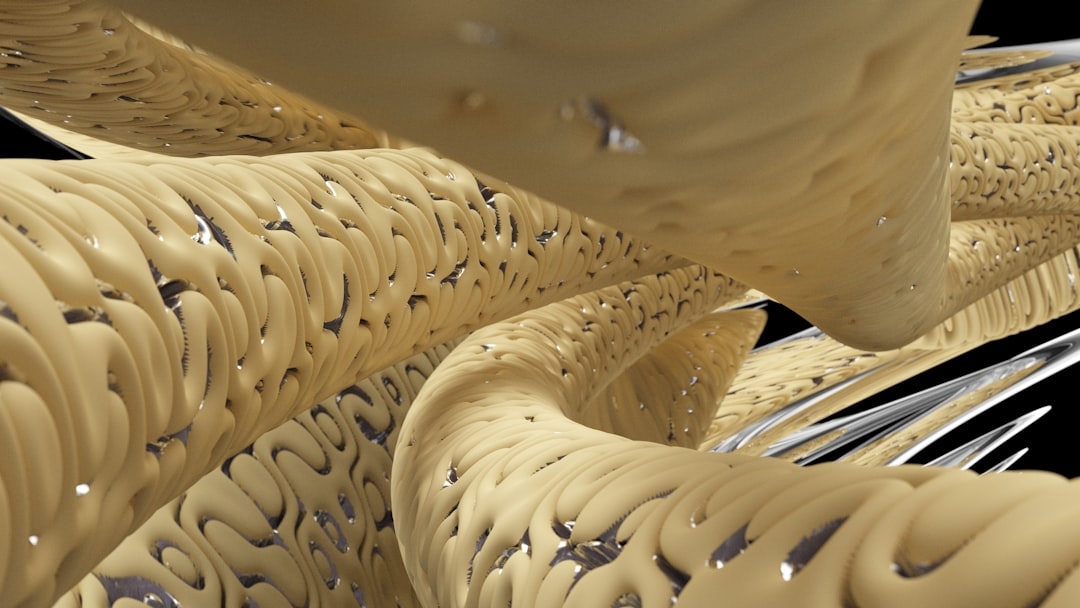
The fundamental difference comes down to surface texture. Under a microscope, cotton fibres look rough and textured with irregular bumps and grooves. Silk fibres are incredibly smooth and uniform. When your hair slides across a cotton pillowcase, it catches on these rough spots. Your hair cuticle—the overlapping scales covering each strand—gets roughed up by this friction. Over a full night, this creates frizz, tangles, and eventually breakage.
Silk’s smooth surface allows your hair to slide easily without catching. Your cuticle stays smooth and flat throughout the night. This is why people notice reduced frizz: their hair cuticle isn’t being damaged during sleep.
The difference isn’t massive—one night on silk versus cotton won’t dramatically change your hair. But over weeks and months, the cumulative difference becomes noticeable. Hair that’s been consistently roughed up by cotton looks and feels rougher; hair that’s slid smoothly over silk stays smoother and shinier.
The Science of Friction and Hair Damage During Sleep
You spend roughly 8 hours per night with your hair against your pillowcase—that’s one-third of your life. Multiply cotton’s friction damage across hundreds of nights, and the cumulative effect becomes real. Research on textile friction shows that smoother surfaces cause measurably less hair cuticle damage.
Studies specifically examining silk pillowcases found that hair sleeping on silk experienced 30-40% less friction-related breakage compared to cotton over an 8-week period. That’s genuinely significant. Participants also reported reduced frizz and improved shine.
However, this assumes you’re sleeping correctly. Tangled sleeping positions, tight hair ties, or wrapping hair tightly against the pillow negates much of the benefit regardless of material. The silk pillowcase helps, but it’s only one factor in overnight hair health.
What the Professionals Know
Experienced stylists at UK salons often recommend silk pillowcases specifically to clients with curly hair, textured hair, or those recovering from heat damage. These hair types are most vulnerable to friction damage, so they benefit most from silk. For people with naturally straight, robust hair, the benefit is less pronounced. A stylist at a London salon explains: “Silk pillowcases are brilliant for textured hair that tangles easily, but for someone with naturally straight hair that doesn’t frizz, the benefit is minimal. It depends entirely on your hair’s vulnerability.”
Are Silk Pillowcases Good for Different Hair Types?
Curly and Textured Hair
This is where silk pillowcases shine genuinely. Curly hair gets roughed up by cotton and loses its curl pattern and definition. Silk maintains curl shape throughout the night. Combined with a proper nighttime curl routine (like pineapple buns or bonnet sleeping), silk dramatically improves curl health. If you have curly hair, silk is genuinely worthwhile.
Fine or Thin Hair
Fine hair is more vulnerable to breakage because individual strands are thinner. Friction damage matters more. Silk pillowcases reduce this friction significantly, so they’re beneficial. You might also notice less tangling on fine hair with silk.
Straight Hair Without Damage
If your hair is naturally straight, robust, and doesn’t have existing damage, a silk pillowcase provides minimal practical benefit. The friction reduction is real, but if your hair isn’t vulnerable to friction damage, the reduction doesn’t matter much. You’d be paying £20-40 for a modest improvement in an area where you don’t have a problem.
Colour-Treated or Heat-Damaged Hair
Damaged hair is fragile. Any friction reduction helps. Silk pillowcases are particularly valuable if you’ve recently coloured your hair or used heat styling regularly. The cumulative stress reduction adds up.
Practical Silk Pillowcase Considerations
Cost and Value
Quality silk pillowcases cost £20-60 in the UK. Budget options around £15-20 exist but often use lower-quality silk blends that don’t provide full benefits. Mid-range options (£25-35, like those from Marks & Spencer or online retailers) offer genuine benefits without premium pricing. Premium options (£40-60+) are often brand name driven rather than materially superior.
Is the investment worth it? That depends on your hair type. For curly, fine, or damaged hair that struggles with breakage and frizz, yes. For healthy straight hair, it’s optional. Budget the cost over 1-2 years of nightly use—if you get 2 years of use from a £30 pillowcase, that’s roughly 4p per night, which is reasonable for modest daily benefit.

Durability and Maintenance
Silk pillowcases require careful washing. Use cold water, gentle detergent (regular washing powder is often too harsh), and avoid hot water. Wash every 1-2 weeks. Air dry completely before using. Proper care makes a pillowcase last 2-3 years. Neglecting care shortens lifespan significantly.
You might also consider silk bonnet or scarf instead of a pillowcase. These cost £8-20, are easier to wash, and provide identical hair benefits by covering your hair entirely rather than relying on the pillowcase material. Many people find this a better option than replacing pillowcases.
Seasonal Timing Considerations
You might notice silk pillowcases are particularly beneficial in winter when static and frizz increase, and in summer when humidity increases. Spring and autumn often feel less problematic because humidity is moderate. This doesn’t change the pillowcase’s actual effect, but your perception of benefit might change seasonally.
Winter (November-January)
Central heating dries hair, making it more vulnerable to breakage. Silk pillowcases reduce friction damage at exactly the time when damage risk is highest. This is an ideal time to invest in one if you’re considering it.
Summer (June-August)
Humidity often makes hair more manageable, but sun exposure and chlorine damage from swimming leave hair fragile. Silk helps protect already-stressed hair. Not essential, but beneficial.
Alternatives and Complementary Strategies
If you’re not ready to invest in silk pillowcases, several alternatives help:
- Cotton pillowcase upgrade: Use high-thread-count cotton (400+ thread count, around £15) instead of standard cotton. It’s smoother than regular cotton, though not as smooth as silk.
- Silk bonnet or scarf: More affordable (£8-15) and covers hair entirely, offering better protection than a pillowcase.
- Satin pillowcase: Satin is smooth like silk but usually costs £10-20. It’s nearly as effective as silk for most people and more affordable.
- Hair styling routine: Plaits, pineapple buns, or loose buns reduce hair contact with any pillowcase, minimising friction damage regardless of material.
FAQ
Do silk pillowcases actually reduce breakage?
Yes, measurably. Studies show 30-40% reduction in friction-related breakage over 8 weeks. However, this assumes you’re also maintaining good overall hair health through other methods.
Are silk pillowcases worth the money?
For curly, fine, or damaged hair, yes. For healthy straight hair without frizz problems, they’re optional. Consider your hair type and specific concerns before investing.
How often should I wash silk pillowcases?
Every 1-2 weeks with gentle detergent in cold water. Silk is delicate, so avoid hot water and harsh products. Air dry completely.
Are satin pillowcases as good as silk?
Nearly as good, for most purposes. Satin is smooth and reduces friction well, though technically not quite as smooth as silk. For the price difference (often £10-15 cheaper), satin is an excellent alternative.
Can I wash my hair less frequently if I use a silk pillowcase?
Not directly. A silk pillowcase reduces friction damage but doesn’t change how quickly your scalp produces oil. Your washing frequency depends on oil production, not pillowcase material. However, reduced friction might make every wash more effective because your hair is less damaged.
Silk pillowcases are good for hair, particularly if your hair is curly, fine, or already damaged. They’re a modest investment that provides genuine, measurable benefits for vulnerable hair types. For healthy, robust hair, they’re nice to have but not necessary. Consider your specific hair concerns and budget when deciding whether to invest.