Can I Shave 2 Hours Before Laser Hair Removal? Complete Pre-Treatment Guide
7 min read
Contents:
- The Short Answer: Can You Shave Before Laser Hair Removal?
- Why Pre-Laser Shaving Timing Matters
- The Ideal Pre-Laser Hair Removal Timeline
- 24 Hours Before: Optimal Timing
- 12 Hours Before: Still Acceptable
- 2-6 Hours Before: Not Ideal but Workable
- Immediately Before (15-30 Minutes): Not Recommended
- The Proper Pre-Laser Shaving Technique
- Use a Fresh Razor Blade
- Shaving Method Matters
- Shaving Technique
- Pre-Laser Preparation Beyond Shaving
- Seasonal Timing Considerations
- Real Scenario: The Rushed Appointment
- Sustainability Note: Reducing Laser Hair Removal Frequency
- FAQ
Your laser hair removal appointment is in two hours, and you’ve just remembered you haven’t shaved. You quickly think through the logistics: maybe a quick shave right now? Or should you skip it? The answer is more nuanced than you’d expect, and getting it wrong can reduce your laser treatment’s effectiveness significantly or cause unwanted irritation. Understanding the timing and technique matters far more than you’d guess for a simple shave.
The Short Answer: Can You Shave Before Laser Hair Removal?
Yes, you can shave 2 hours before laser hair removal, but it’s not ideal. Shaving immediately before appointments is acceptable and commonly done; however, shaving 12-24 hours before is optimal. If you can’t shave in advance, shaving 2-6 hours before is acceptable. Shaving just 15 minutes before is pushing it and increases irritation risk. The key principle: your skin needs time to settle and recover its pH balance after shaving before experiencing laser heat.
Why Pre-Laser Shaving Timing Matters
Laser hair removal targets hair beneath the skin surface (in the follicle). Surface hair doesn’t interfere with laser effectiveness, but it does cause complications. When laser energy hits surface hair, some energy is absorbed and converted to heat on the hair itself rather than the follicle. This wastes energy and can cause surface burns or irritation. Shaving removes surface hair, directing all laser energy toward the follicle where you want it.
However, freshly shaved skin is irritated. The razor creates microscopic cuts, the skin’s pH is disrupted, and the area is temporarily more sensitive. Applying laser heat to this irritated skin intensifies the irritation, causing redness, discomfort, or temporary skin damage. This is why timing matters: you need skin healed enough that shaving irritation has subsided, yet hair removed so laser works efficiently.
The Ideal Pre-Laser Hair Removal Timeline
24 Hours Before: Optimal Timing
Shaving 24 hours before laser hair removal is ideal. Skin has fully recovered from shaving irritation; pH has normalised; the area feels and appears completely normal. Meanwhile, surface hair has regrown minimally (hair grows about 0.5-1mm per day, so 24 hours growth is barely visible). Your skin is ready for laser, and surface hair is absent. This is the timing most clinics recommend and the timing that reduces complications.
12 Hours Before: Still Acceptable
Shaving 12 hours before laser is acceptable. Skin irritation has mostly subsided, and surface hair growth is minimal. Some minor redness may remain; most people see this as a non-issue. This timing works well if you’re scheduling appointments for afternoon (shave in the morning) or evening (shave in the morning or early afternoon).
2-6 Hours Before: Not Ideal but Workable
Shaving 2-6 hours before is acceptable in situations where advance shaving wasn’t possible. Skin irritation is still present but not severe. Surface hair hasn’t significantly regrown. Many people do this and experience no problems; some experience minor additional redness or discomfort during treatment. It’s acceptable if necessary; just not optimal.
Immediately Before (15-30 Minutes): Not Recommended
Shaving just before arriving for your appointment is not recommended. Skin irritation is at maximum; the area is red, potentially bleeding from microscopic cuts, and hypersensitive. Applying laser to this state causes unnecessary discomfort and potentially temporary irritation or redness lasting days. If you’ve shaved this recently, inform your clinic—they may adjust laser settings to reduce irritation, though this can slightly reduce treatment effectiveness.
The Proper Pre-Laser Shaving Technique
Use a Fresh Razor Blade
A dull blade causes more irritation than a sharp blade. Dull blades tug and require more pressure, creating more microscopic trauma. Always use a fresh blade—either a new disposable razor or a fresh blade in your electric razor. If your razor has been used more than 5-7 times, replace it before your appointment.
Shaving Method Matters
Electric Razors: Gentler than manual razors because they cause less skin irritation. The rounded head minimises nicks and cuts. If you have sensitive skin or are shaving shortly before your appointment, electric razors are preferable. Brands like Philips, Braun, or Panasonic (£30-80, available at Boots) work well.
Manual Razors: Effective but more irritating if you have sensitive skin or are shaving immediately before your appointment. Use gentle pressure, shave in one direction (not multiple passes), and rinse with cool water after. Traditional razors are fine if you’re shaving 12-24 hours before.
Avoid Depilatory Creams: Products like Veet or Nair dissolve hair chemically. They’re harsher than shaving and cause more skin irritation. Most laser clinics recommend avoiding these entirely, especially within 24 hours of treatment. If you’ve used depilatory cream, reschedule your laser appointment if possible, or inform your clinic immediately upon arrival.
Shaving Technique
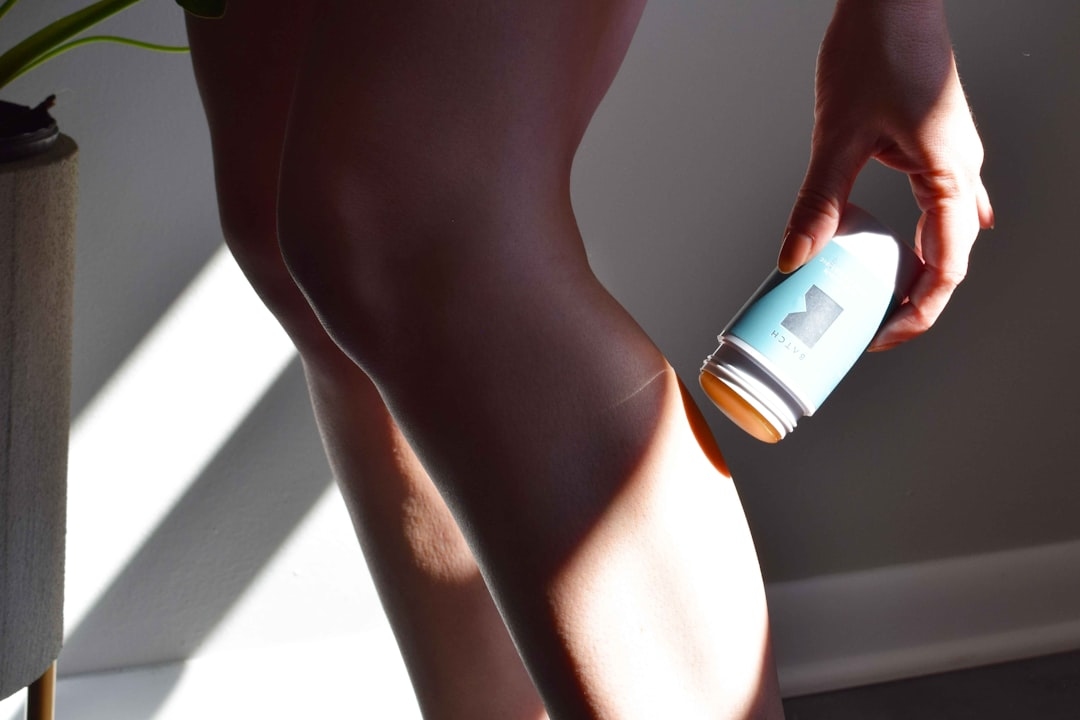
Shave in the direction of hair growth, not against it. Against-grain shaving removes more hair initially but causes more irritation. Shave once per area; don’t make multiple passes over the same spot. Use gentle pressure—let the razor do the work rather than pressing hard. Rinse with cool water afterward and pat dry gently (don’t rub). Apply a light, fragrance-free moisturiser if your skin feels tight.
Pre-Laser Preparation Beyond Shaving
Shaving is just one component. Additional preparation enhances treatment effectiveness and reduces complications:
- Avoid sun exposure: 48 hours before and after laser. Tanned skin is at higher risk for burns and pigmentation changes. If you’ve had recent sun exposure, inform your clinic—they may adjust laser settings.
- Skip other hair removal: Don’t wax, pluck, or use depilatory creams for 2 weeks before laser. These methods remove hair from the root; laser targets root structures, so root removal beforehand reduces treatment effectiveness.
- Avoid skincare products: 24 hours before, skip retinoids, acids (AHAs, BHAs), vitamin C serums, and other potentially irritating products. Gentle cleanser and moisturiser only.
- Hydrate well: Drink extra water 24 hours before and after treatment. Well-hydrated skin heals faster and tolerates laser better.
- Avoid hot showers: 24 hours before, use cool or lukewarm water. Heat dilates blood vessels and increases irritation risk.
Seasonal Timing Considerations
Summer months (June-August) are challenging for laser hair removal because of sun exposure risks. Many dermatologists recommend scheduling laser treatments in autumn (September-November) or winter (December-February) when sun exposure is minimal and skin isn’t tanned. If you must have laser in summer, schedule indoor appointments, use SPF50+ religiously, and cover treated areas with clothing for 2 weeks post-treatment. Shaving timing remains identical year-round; sun exposure timing is the additional seasonal consideration.
Real Scenario: The Rushed Appointment
Sarah had her laser hair removal appointment scheduled for Tuesday afternoon, but she forgot to shave the evening before. Tuesday morning arrived, she was running late, and she decided a quick electric shave 30 minutes before her appointment would be fine. She rushed, used a slightly dull blade, shaved against the grain to save time, and arrived still feeling irritation. During treatment, she felt more discomfort than expected, and afterward her skin was quite red. Had she shaved 24 hours before, the experience would have been painless and more effective. The lesson: advance preparation is worth it. If you’ve already shaved very recently, inform your clinic upon arrival—they can adjust settings accordingly, though this slightly reduces treatment effectiveness.
Sustainability Note: Reducing Laser Hair Removal Frequency
Laser hair removal is genuinely sustainable compared to traditional hair removal. You eliminate repeated shaving (reducing razor waste and plastic consumption), eliminate depilatory cream waste, and dramatically reduce water usage (no daily showering for shaving purposes). Over a lifetime, completing a laser hair removal course (typically 6-8 sessions over 12-18 months) costs £800-2,500 and eliminates decades of weekly shaving. This environmental impact is genuinely positive—fewer razors discarded, less plastic waste, less water usage.
FAQ
Should you shave before laser hair removal?
Yes, shaving before laser hair removal is essential. Laser targets hair beneath the skin; surface hair wastes laser energy and can burn. Shave 24 hours before ideally, or 2-6 hours before if necessary. Never shave just before arriving.
How long before laser hair removal should you shave?
Shave 12-24 hours before for optimal results. If impossible, 2-6 hours before is acceptable. Avoid shaving within 1 hour of your appointment; skin irritation will be too fresh.
Can you shave 2 hours before laser hair removal?
Yes, you can, though it’s not ideal. Your skin will still be irritated, potentially causing additional discomfort during treatment. If you must shave 2 hours before, use an electric razor, shave gently, and inform your clinic so they can adjust settings if needed.
What if you accidentally shaved 30 minutes before your appointment?
Inform your clinic immediately. They can adjust laser settings to reduce irritation, though this may slightly reduce treatment effectiveness. You’ll likely experience more discomfort than normal. Next appointment, plan to shave 12-24 hours before.
Should you shower before laser hair removal?
A cool or lukewarm shower is fine 2-4 hours before. Avoid hot water, which dilates blood vessels and increases irritation risk. Your skin should be clean but not freshly irritated from bathing.
Pre-laser shaving is straightforward: plan 24 hours advance shaving with a fresh razor using gentle technique. If circumstances force shorter timing, 2-6 hours works, though not ideally. Shaving immediately before creates unnecessary discomfort and slightly reduces effectiveness. Plan ahead, and your laser experience will be more comfortable and more effective. This single preparation detail significantly impacts treatment outcomes and your comfort during the procedure.