How to Tell If Your Hair Is Greasy: Complete Guide to Identifying Oily Hair
12 min read
Contents:
- Understanding Greasy Hair: What’s Actually Happening
- Visual Signs Your Hair Is Greasy
- Flat, Limp Appearance
- Dark or Slicked-Back Look
- Clumping or Matting at the Roots
- Visible Buildup or Flaking
- Physical Sensations That Indicate Greasy Hair
- Oily Scalp When You Touch It
- Heavy, Weighed-Down Feeling
- Sticky or Waxy Texture Between Your Fingers
- Timeline: How Quickly Does Greasy Hair Appear?
- Within 12 Hours of Washing
- Within 24–48 Hours
- After 48+ Hours
- Greasy Hair vs. Other Hair Conditions
- Greasy Hair vs. Product Buildup
- Greasy Hair vs. Dehydrated Hair
- Greasy Hair vs. Low Porosity Hair
- Specific Signs by Hair Type
- Fine or Thin Hair
- Curly or Wavy Hair
- Straight Hair
- Coily or Textured Hair
- Common Reasons Your Hair Might Look Greasy
- Genetics and Hormones
- Overwashing
- Using the Wrong Shampoo
- Diet and Hydration
- Environmental Factors
- Product Overload
- Practical Ways to Test and Monitor Your Hair
- The 24-Hour Test
- Keep a Hair Diary
- The Photo Test
- The Touch Test at Different Times
- Budget Breakdown: Addressing Greasy Hair
- Frequently Asked Questions
- How soon after washing does hair normally become greasy?
- Can you have greasy roots and dry ends at the same time?
- Does greasy hair mean I’m not washing properly?
- Will washing my hair less frequently reduce greasiness?
- Is greasy hair the same as dandruff?
- Next Steps: What to Do Once You’ve Identified Greasy Hair
Quick Answer: Greasy hair looks flat and limp, feels heavy or sticky to the touch, and may have a visible shine or dark appearance within 24–48 hours of washing. The scalp often feels oily when you run your fingers through it, and your hair may clump together or appear matted at the roots.
You’ve washed your hair, blown it dry, and it looked perfect this morning. By lunchtime, your roots are plastered to your scalp and the ends feel waxy. You’re not alone—greasy hair is one of the most common hair frustrations, especially if you live in a compact home or don’t have easy access to a salon. The good news? Learning to recognise the signs of greasy hair is straightforward, and once you know what you’re looking for, you can take control of it.
The challenge with greasy hair isn’t always obvious. Sometimes it sneaks up gradually. Other times it’s glaringly obvious. The key is understanding what “greasy” actually means for your hair and scalp, and how it shows up differently depending on your hair type, lifestyle, and environment.
Understanding Greasy Hair: What’s Actually Happening
Before we dive into the signs, it helps to understand what’s going on beneath the surface. Your scalp produces sebum, a natural oil that protects your hair and keeps it healthy. A healthy scalp produces about 2–3 mg of sebum per square centimetre daily. That’s completely normal and necessary. The problem arises when your sebum production goes into overdrive.
Sebum travels down the hair shaft, coating each strand. In the right amount, this creates shine and softness. Too much sebum, however, and your hair becomes limp, weighed down, and difficult to style. Unlike dry hair, which needs that sebum to look healthy, greasy hair has far more oil than it needs.
Sarah Mitchell, Trichologist and Hair Specialist (London, 2026): “The most misunderstood part of greasy hair is that people think it means they’re not cleaning properly. In reality, how quickly your hair becomes greasy depends on your genetics, hormones, diet, and even how often you wash. Some people have genuinely oilier scalps. Others inadvertently trigger excess oil production by over-washing.”
Visual Signs Your Hair Is Greasy
The most obvious indicator of greasy hair is what you see in the mirror. Visual cues are often your first clue that something’s shifted.
Flat, Limp Appearance
Greasy hair loses its volume and body. If your hair usually has bounce and texture, and it’s suddenly flat against your head—particularly at the roots—that’s a clear sign of excess oil. The weight of the sebum pulls your strands down, eliminating that lift you normally enjoy. This is especially noticeable if you’ve got fine or thin hair, where even a small amount of excess oil creates a dramatic change in appearance.
Dark or Slicked-Back Look
Clean hair reflects light evenly, creating a healthy shine. Greasy hair, by contrast, often looks darker and has a slicked or wet appearance, even though it’s completely dry. The excess oil creates an almost glossy veneer that doesn’t look fresh—it looks overdone. You might notice this most in photographs or under bright overhead lighting at work or at home.
Clumping or Matting at the Roots
Instead of individual strands that move freely, greasy hair tends to bunch together in clusters or clumps, especially near the scalp. This matting happens because the oil acts like a glue, sticking strands together. Look closely at your roots after a full day—do you see distinct sections sticking together? That’s excess sebum at work.
Visible Buildup or Flaking
Sometimes greasy scalp leads to flaking that looks like dandruff, though it’s actually sebum and product buildup. The flakes tend to be oily to the touch (unlike dry dandruff, which is powdery). This is more likely to happen in humid environments or if you’re using heavy styling products on top of greasy roots.
Physical Sensations That Indicate Greasy Hair
You don’t always need a mirror to know your hair is greasy. Sometimes your hands tell the story first.
Oily Scalp When You Touch It
This is the gold standard test. Run your fingers through your roots, particularly near the crown and temples. If your fingers come away with a slick, oily residue, your scalp is producing excess sebum. Try this test at different times of the day—many people find their scalp is slightly oily by mid-morning, even after a morning wash. If it’s oily within a few hours, you likely have a greasy hair problem.
Heavy, Weighed-Down Feeling
Greasy hair feels heavier on your head. If you usually wear your hair down and it feels uncomfortable or like it’s pulling on your scalp, that weight comes from oil buildup. Some people describe it as feeling “sticky” or like there’s a film coating the hair. This sensation tends to worsen throughout the day as more oil accumulates.
Sticky or Waxy Texture Between Your Fingers
Hold a small section of hair between your thumb and forefinger and rub gently. Healthy hair might feel slightly smooth. Greasy hair feels noticeably slick, sometimes almost waxy or sticky. The texture difference is dramatic once you know what to feel for.
Timeline: How Quickly Does Greasy Hair Appear?
The speed at which your hair becomes greasy is a useful diagnostic tool. It tells you how severely your scalp is overproducing sebum.
Within 12 Hours of Washing
If your hair looks noticeably greasy less than half a day after washing, you have quite oily hair. This timeline suggests your scalp is producing sebum faster than average. Many people with this issue find they can only go a day between washes comfortably, sometimes less.
Within 24–48 Hours
This is the most common timeframe for people who say they have “greasy hair.” By the second day, roots are clearly darker and flatter, and the scalp feels oily to the touch. This is manageable for most people, though it may limit styling options or require more frequent washing.
After 48+ Hours
If your hair doesn’t show obvious signs of greasiness until after two days, congratulations—you likely don’t have a genuine greasy hair problem. Your hair is probably normal or combination (greasy roots, dry ends), which is the most common hair type.
Greasy Hair vs. Other Hair Conditions
Not every dull or flat-looking hair is greasy. It helps to rule out other conditions that can mimic greasy hair.
Greasy Hair vs. Product Buildup
Heavy styling products—serums, pomades, leave-in conditioners, or dry shampoo overuse—can leave hair looking oily even if your scalp isn’t producing excess sebum. The difference? Buildup usually feels waxy and sits mostly on the hair shaft, not the scalp. Genuine greasiness feels slick at the roots specifically. To tell them apart, shampoo thoroughly and observe your hair 24 hours later. If it’s clean and bouncy, you had buildup. If it’s greasy again, it’s genuine scalp oiliness.
Greasy Hair vs. Dehydrated Hair
Dehydrated hair can look dull and limp, but the scalp actually feels dry or tight. Greasy hair, by contrast, has an oily scalp. These require opposite treatments, so it’s crucial to distinguish them. Run your fingers through the roots—does the scalp feel oily or dry?
Greasy Hair vs. Low Porosity Hair
Low porosity hair struggles to absorb moisture, so it often looks shiny and slick even when it’s not greasy. However, when you wash it properly, it eventually feels clean. Genuinely greasy hair starts feeling oily again within hours or a day.
Specific Signs by Hair Type
Greasy hair shows up differently depending on your hair texture and structure.
Fine or Thin Hair
Fine hair shows greasiness most dramatically. Even a moderate amount of oil makes fine hair look completely flat and stringy. If you’ve got fine hair and notice your usual volume is gone by mid-morning, you’re likely dealing with greasiness. Fine hair also tends to look darker when oily because the oil reflects less light diffusely.
Curly or Wavy Hair
For curly and wavy hair, greasiness manifests as loss of curl definition and clumping. Your waves might collapse into straighter sections, or your curls might lose their bounce. The pattern becomes heavy and weighed down. However, it’s worth noting that curly hair needs more moisture, so make sure you’re not confusing product buildup with genuine scalp greasiness.
Straight Hair
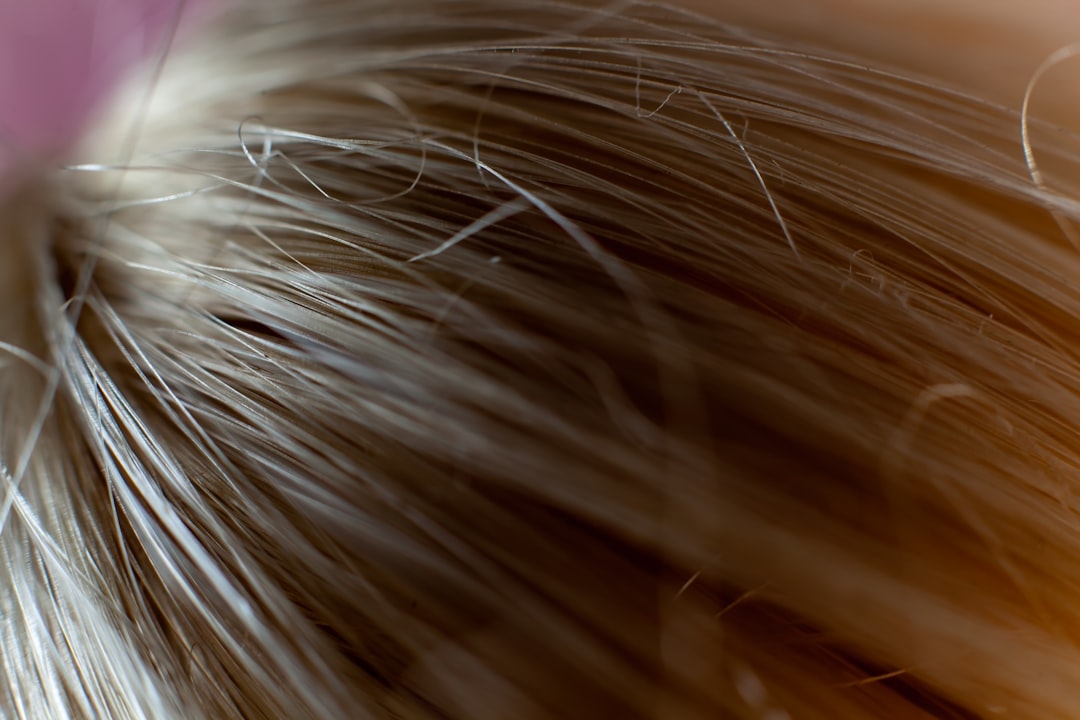
Straight hair makes greasiness obvious through visible shine and flatness. It’s the easiest hair type to diagnose as greasy simply by looking in the mirror.
Coily or Textured Hair
Coily hair shows greasiness through reduced lift and definition, and sometimes through visible flaking if oil mixes with other products. However, many people with textured hair find that what looks like greasiness is actually healthy oils distributed through their curls, which is necessary for those hair types.
Common Reasons Your Hair Might Look Greasy
Understanding why your hair is greasy helps you address the root cause rather than just treating symptoms.
Genetics and Hormones
About 40% of greasy hair cases are linked to genetics—if your parents have oily hair, you probably will too. Hormonal fluctuations also play a role. Teenagers, people experiencing hormonal changes related to their menstrual cycle, or those with certain hormonal conditions often develop oilier scalps. Stress hormones can trigger increased sebum production too, which is why many people find their hair gets greasier during demanding work periods.
Overwashing
This is counterintuitive but true: washing your hair too frequently can make it greasier. When you strip away all natural oils, your scalp panics and produces even more sebum to compensate. If you’re washing daily or multiple times weekly, try extending the time between washes—your scalp may adjust and produce less oil overall.
Using the Wrong Shampoo
Cheap or overly moisturising shampoos can leave residue that looks and feels oily. If you have greasy hair, you likely need a clarifying or lightweight shampoo, not a heavy moisturising one. Prices vary widely—basic clarifying shampoos start around £3–5 at supermarkets like Tesco or Sainsbury’s, while salon-quality options range from £8–15.
Diet and Hydration
A diet high in processed foods and saturated fats can contribute to scalp oiliness. Staying hydrated actually helps—dehydration can trigger your scalp to overproduce oil. Aim for 6–8 glasses of water daily.
Environmental Factors
Humidity and pollution both contribute to greasy-looking hair. In humid climates or in cities with high air pollution, hair tends to collect particles that make it appear oilier. If you live in a flat with poor ventilation, humidity can trap oil in your hair more quickly.
Product Overload
Using too many styling products simultaneously creates buildup that mimics greasiness. Limit yourself to one or two products per styling session. If you’re using dry shampoo, hair oil, serum, and paste all at once, you’re probably overdoing it.
Practical Ways to Test and Monitor Your Hair
If you’re uncertain whether your hair is genuinely greasy, try these diagnostic approaches.
The 24-Hour Test
Wash your hair thoroughly in the morning, let it air dry (or blow dry as you normally would), and don’t touch it or apply any products. Track your observations throughout the day. When do you first notice greasiness? Does it show at the scalp first, or throughout the hair? By evening, how oily does it feel? Repeat this for three days and average your findings. This gives you a baseline for your hair’s true oil production rate.
Keep a Hair Diary
Track greasiness levels daily for two weeks, noting the day after washing, second day, and so on. Write down what you see and feel. This reveals patterns—maybe your hair is greasier on certain days due to hormones, stress, or diet. Pattern-spotting helps you identify triggers.
The Photo Test
Take photos of your hair at the same time each day, ideally in consistent lighting. Photos don’t lie. You’ll easily spot when greasiness starts becoming visible, and you can compare across days. Many people are surprised to realise their hair doesn’t look greasy when they see it objectively—they’re noticing very subtle changes their mind has magnified.
The Touch Test at Different Times
Check your scalp at specific times: right after waking, before lunch, after work, and before bed. Record how oily it feels. This reveals your scalp’s daily rhythm. Some people find their scalp is oiliest in the afternoon, while others notice greasiness first thing in the morning.
Budget Breakdown: Addressing Greasy Hair
If you’ve identified that your hair is genuinely greasy, addressing it doesn’t require expensive treatments. Here’s what you can realistically spend:
- Clarifying shampoo: £3–8 per bottle (drugstore brands like Superdrug or Boots basics, up to salon brands like Puracy)
- Lightweight conditioner: £3–7 per bottle
- Dry shampoo: £2–6 per can (used strategically to extend time between washes)
- Scalp treatment or tonic: £5–15 (optional; helps if you suspect hormonal or stress-related oiliness)
- Professional scalp analysis: £30–60 at a salon (one-time investment to get expert guidance)
Total basic investment: £13–28 for essentials. Most people find that simply switching to the right shampoo makes a dramatic difference, so you needn’t spend extensively upfront.
Frequently Asked Questions
How soon after washing does hair normally become greasy?
For people with normal hair, 48–72 hours is typical. If your hair looks greasy within 24 hours, you likely have oily or combination hair. Within 12 hours suggests your scalp is quite oily.
Can you have greasy roots and dry ends at the same time?
Absolutely. This is called combination hair and is very common. Sebum travels down the hair shaft from the scalp, so roots get oily first while ends—which are older hair—don’t receive enough oil. You’d treat the scalp and mid-lengths differently from the ends.
Does greasy hair mean I’m not washing properly?
No. Greasiness is determined by genetics, hormones, and sebum production rate, not washing technique. In fact, aggressive scrubbing can worsen it. Gentle washing is actually better for greasy scalps.
Will washing my hair less frequently reduce greasiness?
Sometimes, yes. If you’re currently washing daily, your scalp may be overproducing oil in response. Extending the wash cycle to every other day, or even every third day, can help your scalp normalise its oil production over 2–3 weeks. However, this depends on your individual scalp biology.
Is greasy hair the same as dandruff?
Not necessarily. Greasy scalp can cause flaking that resembles dandruff, but dandruff is a specific fungal or bacterial condition. Greasy flakes are oily; true dandruff flakes are dry and powdery. If you’re seeing flaking alongside greasiness, a dermatologist can clarify which you have.
Next Steps: What to Do Once You’ve Identified Greasy Hair
Now that you know how to spot greasy hair, you can take action. Start with a clarifying shampoo designed for oily scalps—most cost under £5 and make an immediate difference. Avoid heavy conditioners on your roots. If you live in a small space with limited ventilation, open windows regularly to reduce humidity, which exacerbates greasiness.
Track your results over three weeks. Your scalp may adjust to new products or a new washing schedule. If greasiness persists despite making these changes, consider whether stress, hormones, or diet might be factors. A consultation with a trichologist (around £40–60 in London) can pinpoint whether your greasiness is scalp biology, a hair care misstep, or something worth discussing with your GP.
Remember: identifying greasy hair early means you can address it before it becomes frustrating. You’ve already taken the crucial first step by learning the signs.