How Much Hair Should You Lose in the Shower
7 min read
Contents:
- Understanding the Hair Growth Cycle
- Why Showers Seem to Accelerate Hair Loss
- What Counts as Abnormal Hair Loss
- Seasonal Shifts in Shedding
- Factors That Influence Shedding Rates
- Nutrition and Diet
- Stress and Sleep
- Hair Care Practices
- Medical Conditions and Medications
- Practical Steps to Reduce Shower Hair Loss
- When to Seek Professional Advice
- FAQs
- Is it normal to lose more hair in the shower than throughout the day?
- Can I prevent all shower hair loss?
- Does cutting hair frequently reduce shedding?
- Should I use a silk pillowcase to reduce hair loss?
- What’s the difference between shedding and balding?
- Moving Forward
The average person sheds between 50 and 100 hairs daily across their entire body. However, during a shower, when water, heat, and friction combine, you might notice significantly more hair swirling around your drain—sometimes 150 to 200 strands in a single wash. This concentration of loss in one location can feel alarming, yet it’s often perfectly normal. Your shower environment simply creates the ideal conditions for hair that’s already in its final growth cycle to release all at once.
Quick Answer
Normal hair loss in the shower: 50–200 strands per wash is typical. If you notice sudden changes, clumps, or bald patches, consult a healthcare professional. Seasonal variations, diet, stress, and hair care products all affect shedding rates.
Understanding the Hair Growth Cycle
Hair doesn’t grow indefinitely. Each strand moves through four distinct phases: anagen (growth), catagen (transition), telogen (resting), and exogen (shedding). Most of your hair—approximately 85 to 90 percent—remains in the active growth phase at any given time. The remaining 10 to 15 percent is either transitioning or preparing to shed. When you shower, you’re triggering the release of telogen hairs that have already completed their cycle and are loosely anchored to your scalp.
This cycle typically lasts between two and seven years for scalp hair, meaning each follicle goes through multiple growth and shedding phases throughout your lifetime. The timing is staggered across your entire head, which is why you don’t lose all your hair at once. Without this natural turnover, your hair would simply keep growing indefinitely.
Why Showers Seem to Accelerate Hair Loss
Warm water opens the hair cuticle and softens the outer layer of each strand. This expansion is completely normal and reversible, but it does make telogen hairs more likely to detach from the follicle. Add in the mechanical action of shampooing—the massaging, rubbing, and friction—and you’ve created a perfect storm for visible shedding. The shower drain becomes a catching mechanism for hair that would have fallen out anyway, just spread throughout the day.
Temperature plays a role here. Hot showers (above 40°C) trigger greater cuticle opening than lukewarm water. If you’re accustomed to very hot showers, switching to warm or cool water (around 30–38°C) can reduce the amount of hair you see falling during your wash. This isn’t preventing shedding; it’s simply delaying the inevitable release until later in the day.
What Counts as Abnormal Hair Loss
Context matters when assessing whether your shower hair loss is within normal range. If you typically lose 100 strands per wash but suddenly find 300, that’s worth monitoring. Similarly, if you notice actual bald patches, areas of thinning, or hair breaking rather than shedding from the root, these are signs to investigate further.
Telogen effluvium is a condition where temporary stress—physical or emotional—pushes more hairs into the telogen phase simultaneously. This can increase shedding to 300–400 hairs daily across your entire body. Major life events, illness, surgery, or sudden dietary changes can trigger this response. The good news: it’s usually reversible once the triggering stress resolves. Most cases resolve naturally within three to six months.
Androgenetic alopecia (pattern hair loss) presents differently. Rather than generalised shedding, you’ll see a receding hairline, thinning at the crown, or a widening part line. This condition is influenced by genetics and hormone sensitivity and requires a different approach than general shed management.
Seasonal Shifts in Shedding
Your hair responds to seasonal changes, though research on this phenomenon remains limited. Many people report increased shedding in autumn and spring—a remnant of evolutionary adaptation in mammals. During these transition months, you might notice 20 to 30 percent more hair in your shower drain than during summer or winter. This seasonal pattern typically peaks in October and May in the Northern Hemisphere.
If you’re tracking your shedding through 2026, note any seasonal patterns you observe. Keeping a simple log—jotting down how much hair you lose each week—helps you distinguish between normal variation and genuine changes that warrant professional attention.
Factors That Influence Shedding Rates
Nutrition and Diet
Hair growth demands specific micronutrients. Iron deficiency, low zinc, and insufficient protein can all push more hairs into the telogen phase prematurely. Your hair needs amino acids to form keratin, iron to carry oxygen to the follicle, and zinc to support cell division. A balanced diet rich in leafy greens, lean proteins, nuts, and whole grains supports healthy hair retention. If you follow a restrictive diet or have conditions affecting nutrient absorption, increased shedding might be your first visible sign of deficiency.
Stress and Sleep
Chronic stress elevates cortisol, which can shorten the anagen phase and push more hairs into shedding mode. Poor sleep compounds this effect. Aim for seven to nine hours nightly; your hair (and overall health) will thank you. The connection between sleep quality and hair health is well-documented, even if it feels invisible day-to-day.
Hair Care Practices
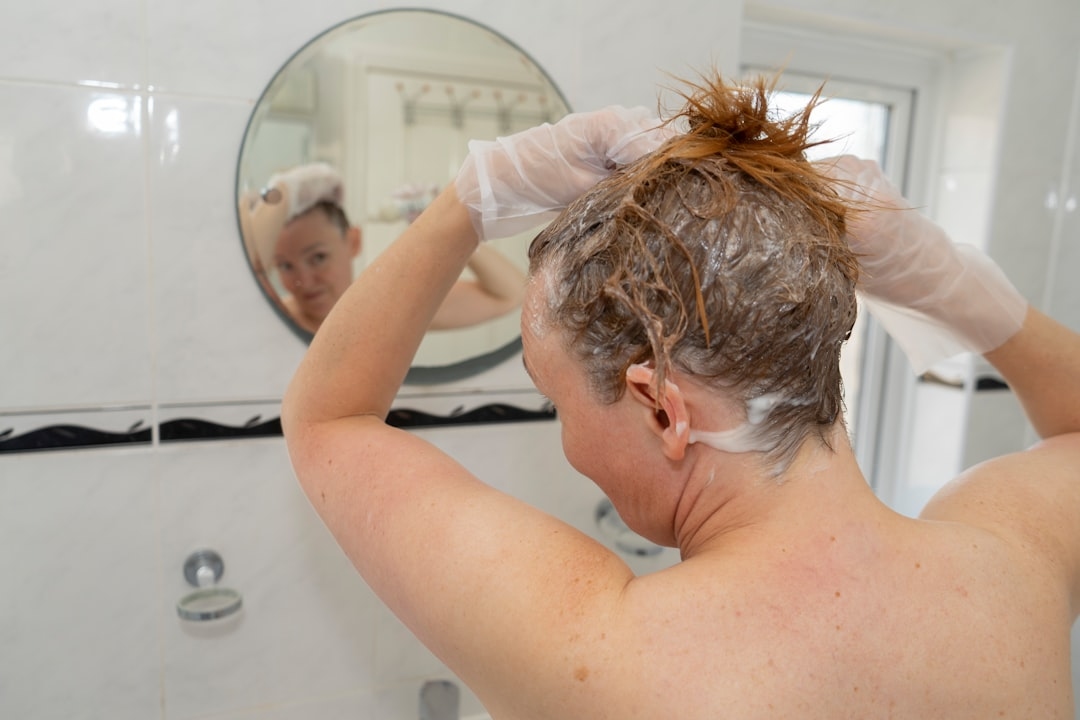
How you treat your hair shapes how much you lose. Tight hairstyles, frequent heat styling, chemical treatments, and aggressive brushing all increase breakage and premature shedding. Loosely styled hair, air drying when possible, and gentle handling reduce unnecessary loss. Your shower routine matters too: a gentle shampoo designed for your hair type, applied primarily to the scalp rather than the lengths, minimises friction-related shedding.
Medical Conditions and Medications
Thyroid disorders, hormonal imbalances, alopecia areata, and various autoimmune conditions affect hair growth. Some medications—including certain blood pressure drugs, antidepressants, and immunosuppressants—list hair loss as a side effect. If you’ve started a new medication and noticed increased shedding, discuss this with your GP rather than stopping the medication without guidance.
What the Pros Know
Trichologists and dermatologists recommend the “five-day wash test” to establish your baseline shedding. Avoid washing your hair for five days, then wash as normal and count the hairs in your drain. This gives you an accurate picture of your daily shed without the confounding factor of frequent washing. Repeat monthly to track trends. Most professionals consider 100–150 hairs per wash normal for someone with a full head of hair; those with fine or naturally sparse hair might shed 30–50; those with thick, long hair might see 200–250.
Practical Steps to Reduce Shower Hair Loss
- Adjust water temperature. Use lukewarm water (32–38°C) rather than hot to minimise cuticle opening and follicle loosening.
- Choose a sulfate-free shampoo. Sulfates strip natural oils and can irritate the scalp. Budget options from supermarkets like Tesco and Sainsbury’s now stock affordable sulfate-free ranges starting at £2–£4 per bottle.
- Massage gently. Use fingertips rather than fingernails; avoid vigorous rubbing that can traumatise the hair shaft.
- Condition from mid-length downward. Leave conditioner on for 2–3 minutes to allow the cuticle to relax and seal. This reduces friction-related breakage.
- Detangle before washing. Use a wide-tooth comb or detangling brush on dry hair to remove tangles, then wet hair slides through more easily without breakage.
- Prioritise sleep and stress management. These cost nothing but deliver significant payoffs for hair health.
- Eat iron-rich foods. Lentils, spinach, fortified cereals, and red meat are affordable sources available in any UK supermarket.
When to Seek Professional Advice
Schedule an appointment with your GP or a private dermatologist if you experience sudden, dramatic increases in shedding; bald patches or alopecia areata symptoms; persistent scalp irritation or pain; or shedding accompanied by fatigue, weight changes, or other concerning symptoms. A dermatologist can assess whether you have androgenetic alopecia, telogen effluvium, nutritional deficiency, or an underlying medical condition—each of which has different management strategies.
Private dermatology consultations in the UK typically cost £150–£300 for an initial appointment, though many NHS GP practices can refer you to a specialist if there’s clinical concern. Early assessment often improves outcomes, particularly for conditions like alopecia areata that respond well to treatment.
FAQs
Is it normal to lose more hair in the shower than throughout the day?
Yes. Warm water, heat, and mechanical friction create ideal conditions for telogen hairs to detach simultaneously. You’re not losing more hair overall; you’re simply concentrating the shedding into one location where it’s visible.
Can I prevent all shower hair loss?
No. Some shedding is necessary for healthy hair growth. What you can do is minimise preventable loss through gentle handling, appropriate water temperature, good nutrition, and stress management. Aiming to reduce shedding by 20–30 percent is realistic; eliminating it entirely isn’t.
Does cutting hair frequently reduce shedding?
Hair loss occurs at the follicle root, not the ends. Cutting doesn’t affect shedding rates. However, regular trims (every 6–8 weeks) remove split ends and keep hair healthier, which can reduce breakage—a different form of hair loss.
Should I use a silk pillowcase to reduce hair loss?
Silk pillowcases can reduce friction-related breakage, particularly for long or curly hair, but they won’t affect the natural shedding cycle. They’re a worthwhile investment (£15–£40) if breakage is your concern, but unnecessary if shedding is your issue.
What’s the difference between shedding and balding?
Shedding is the natural release of hairs that have completed their growth cycle—evenly distributed across your head with new growth continuing. Balding shows visible thinning, receding, or patchy loss without equivalent regrowth. Shedding is cyclical and normal; balding requires investigation.
Moving Forward
Most shower hair loss sits squarely within normal range. Your drain isn’t alarming; it’s simply collecting what would have fallen out anyway. If you’re concerned, track your shedding for a few weeks using the five-day wash test, pay attention to seasonal patterns, and ensure your diet supports hair health. Warm water, gentle handling, and stress management address the modifiable factors. Should you notice sudden changes or patterns that don’t fit this description, a conversation with your GP costs nothing and may identify something worth addressing. Until then, that clump of hair in your shower drain is doing exactly what it should: making way for healthy new growth.