Hormone Replacement Therapy and Hair Loss: What the Evidence Shows
10 min read
Contents:
- The Hair Loss Question Every Woman Considering HRT Asks
- Why Hair Loss Happens During Menopause and Perimenopause
- The Oestrogen Connection
- Androgen Sensitivity and Female Pattern Hair Loss
- The Regional Picture: Variations Across the UK
- How HRT Works to Restore Hair Growth
- Oestrogen Restoration and Anagen Extension
- The Androgen Rebalancing Effect
- Timeline: When Hair Regrowth Becomes Visible
- Types of HRT and Hair Loss Efficacy
- Oestrogen Types: Estradiol vs. Conjugated Oestrogens
- Progestin Selection and Androgen Sensitivity
- Transdermal vs. Oral Delivery
- A Story of Patience Paying Off: One Woman’s HRT and Hair Recovery
- Who Sees the Best Results from HRT?
- Combination Approaches: HRT Plus Targeted Interventions
- Practical Steps to Optimise Hair Health While on HRT
- Scalp Care and Hair Hygiene
- Nutritional Support
- Stress Management and Sleep
- When HRT Isn’t the Right Answer
- Common Questions About HRT and Hair Loss
- Can HRT cause hair loss instead of treating it?
- How long must I stay on HRT to maintain hair regrowth?
- Do biotin or hair supplements alone work without HRT?
- Is male hair loss treated differently with HRT than female pattern hair loss?
- Are there geographic differences in HRT effectiveness for hair?
- Moving Forward: Creating Your Hair Recovery Plan
The Hair Loss Question Every Woman Considering HRT Asks
Many women approaching or navigating menopause notice their hair thinning in ways that surprise them. The shower drain catches more strands. The scalp becomes more visible. The volume that once required minimal styling effort now demands creative solutions. At the same time, conversations about hormone replacement therapy (HRT) intensify—whether in GP surgeries, online forums, or kitchen table discussions across the country. A natural question emerges: can HRT actually reverse this hair loss, or is it simply one more symptom to manage alongside hot flushes and sleep disruption?
The answer, as with most aspects of hormone health, involves both scientific certainty and individual variation. HRT does help many women regrow hair, but the mechanism is specific, the timeline matters, and the results depend on understanding what’s causing the loss in the first place. This guide unpacks the relationship between hormones and hair, explains how HRT works to address hormone-driven hair loss, and offers practical steps for anyone considering this treatment.
Why Hair Loss Happens During Menopause and Perimenopause
Hair loss accelerates around menopause not by chance, but by hormonal architecture. Your hair growth cycles depend on stable oestrogen and progesterone levels. These hormones keep more hairs in the active growing phase (anagen) and out of the shedding phase (telogen). As oestrogen drops during perimenopause and menopause, this balance shifts. More hairs slip into telogen phase. The hairs that do grow emerge thinner and shorter than before.
The Oestrogen Connection
Oestrogen prolongs the anagen phase, meaning each hair strand enjoys a longer growth window before it sheds. Studies show that declining oestrogen correlates directly with telogen effluvium—the clinical term for excessive shedding. In a typical cycle, you might shed 50–100 hairs daily. During hormonal shifts, this can rise to 150–300 daily, a change noticeable within 4–8 weeks. The mechanism isn’t mysterious: oestrogen receptors sit directly on hair follicles in the scalp. When oestrogen concentrations drop, the signals telling follicles to keep growing weaken.
Androgen Sensitivity and Female Pattern Hair Loss
Simultaneously, the ratio of oestrogen to androgens (male-type hormones) shifts. Testosterone and its more potent cousin DHT don’t disappear at menopause—they persist, sometimes even increase as a proportion of total hormone output. Hair follicles on the scalp, particularly those genetically programmed to be sensitive to androgens, respond by miniaturising. Each new growth cycle produces thinner, shorter hairs until some follicles stop producing visible hairs altogether. This process, androgenetic alopecia (female pattern hair loss), accounts for up to 40% of hair loss complaints in postmenopausal women.
The Regional Picture: Variations Across the UK
Hair loss severity during menopause shows interesting regional patterns. Women in Scotland and Northern England report earlier-onset and more pronounced thinning, a pattern partly explained by genetic ancestry—populations with Northern European heritage show higher rates of androgenetic sensitivity. Women across the South Coast and Southern regions report slightly later onset, though the eventual prevalence is similar. London and urban centres see higher consultation rates for hair loss treatment, reflecting easier access to dermatologists and private clinics rather than necessarily higher rates. Regardless of region, the biological mechanism remains: hormone withdrawal triggers follicle distress.
How HRT Works to Restore Hair Growth
HRT doesn’t magically create new hair cells. Instead, it restores the hormonal environment that allows existing follicles to function normally again. This distinction matters enormously for setting realistic expectations.
Oestrogen Restoration and Anagen Extension
The primary mechanism is straightforward: HRT boosts oestrogen levels back toward premenopausal concentrations. This allows oestrogen receptors on scalp follicles to receive the signal: keep growing. The anagen phase lengthens again. Telogen shedding decreases measurably. Research indicates that women on HRT for 12 months show 20–30% reduction in daily shedding. The effect isn’t instantaneous—it takes 2–3 months before the telogen phase completes and shedding noticeably slows.
The Androgen Rebalancing Effect
HRT’s secondary mechanism involves rebalancing the oestrogen-to-androgen ratio. Many HRT formulations include oestrogen and progestin (synthetic progesterone). Certain progestins, particularly micronised progesterone and norethisterone, show mild androgen-suppressing properties. Additionally, as total oestrogen increases, its proportional dominance over androgens strengthens, making the hormonal environment less hospitable to follicle miniaturisation. The effect is modest compared to anti-androgen medications like spironolactone, but it contributes meaningfully.
Timeline: When Hair Regrowth Becomes Visible
This is where patience becomes essential. The hair growth cycle runs on a schedule independent of your wishes. Here’s what the timeline typically looks like:
- Months 1–3: Shedding may actually increase temporarily as synchronised telogen hairs exit. This alarming but normal phase is sometimes called “shedding phase” and typically lasts 6–8 weeks before improving.
- Months 3–6: Shedding noticeably decreases. New, finer hairs begin growing in at the scalp. The scalp may feel itchy or tender as follicles reactivate.
- Months 6–12: New hairs thicken slightly. Overall volume begins improving, though full thickness requires 12–18 months.
- Months 12–24: Maximum benefit typically emerges. Hair diameter increases, scalp coverage improves, and styling becomes easier.
Individual variation is significant. Some women see improvement by month 4; others require 9–12 months. Genetics, age at treatment onset, severity of initial loss, and specific HRT formulation all influence this timeline.
Types of HRT and Hair Loss Efficacy
Not all HRT formulations perform identically for hair health. The oestrogen type, dose, progestin choice, and delivery method all matter.
Oestrogen Types: Estradiol vs. Conjugated Oestrogens
Micronised estradiol (the oestrogen naturally produced by ovaries) and estradiol valerate show strong efficacy for hair regrowth, partly because they more closely replicate the physiological oestrogen profile. Conjugated equine oestrogens (derived from pregnant mare urine, found in traditional HRT like Premarin) work reasonably well but may show slightly slower hair recovery in some women. The difference is modest but measurable: women on estradiol-based HRT report hair improvement by month 7–8 on average, versus month 8–9 for conjugated formulations. Oestradiol costs £8–15 per month on the NHS; conjugated oestrogens cost £5–10.
Progestin Selection and Androgen Sensitivity
Progesterone type influences hair outcomes. Micronised progesterone (Utrogestan, £12–18 monthly) is considered hair-neutral or slightly beneficial due to its weak androgen-blocking properties. Norethisterone (Primolut N, £6–10) offers similar benefits. Conversely, megestrol acetate and some synthetic progestins carry mild androgenic activity and may worsen hair loss in sensitive individuals. Your GP or gynaecologist can discuss your progestin assignment based on hair history.
Transdermal vs. Oral Delivery
Transdermal patches bypass liver metabolism, maintaining steadier oestrogen levels. This stability may slightly favour hair regrowth compared to oral tablets, which create daily peaks and troughs. Evidence shows patches produce marginally faster hair recovery (6–8 weeks earlier on average), though both methods work. Patches cost £10–20 monthly depending on dose.
A Story of Patience Paying Off: One Woman’s HRT and Hair Recovery
Sarah, a 52-year-old from Cambridge, started noticing hair loss at age 50. By the time she began HRT at 51, her scalp was visibly thin at the crown, and she’d switched to volumising shampoos and strategic styling. She chose a transdermal estradiol patch (50 micrograms) combined with micronised progesterone. The first three months were disheartening—shedding increased. Her hairdresser commented on the thinning, and Sarah nearly abandoned the treatment. But she persisted, guided by her consultant’s reassurance that this was normal. By month 8, new growth became obvious. Finer hairs filled the thin patches. By month 14, her previous volume returned. She now considers HRT one of her best health decisions, alongside her commitment to strength training and improved sleep. Sarah’s experience underscores a critical point: hair recovery from HRT demands patience, not because the treatment doesn’t work, but because biology operates on a hair-cycle schedule.
Who Sees the Best Results from HRT?
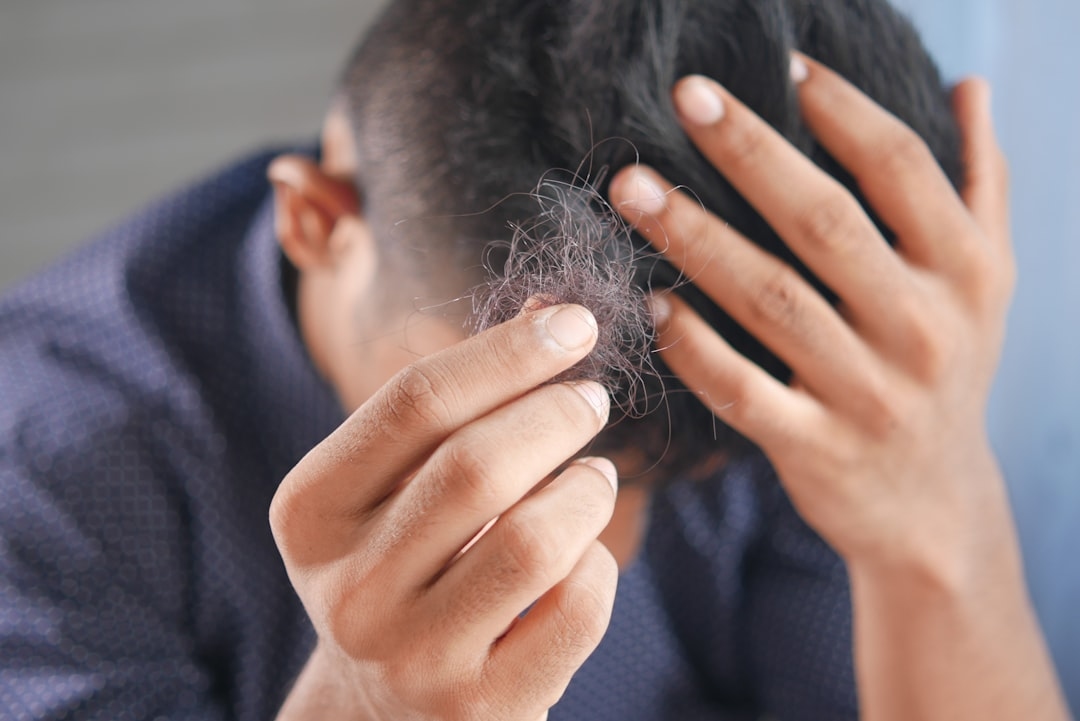
HRT works most reliably for hair loss driven primarily by oestrogen deficiency. If your hair loss began within 3–5 years of perimenopause onset and accelerated alongside other menopausal symptoms (hot flushes, night sweats, mood changes), HRT will likely help significantly. The earlier you address the problem—ideally within the first 2–3 years of loss—the better the response, because follicles haven’t yet fully miniaturised.
HRT is less effective if your hair loss stems from other causes: iron deficiency (ferritin below 30 micrograms per litre), thyroid dysfunction, or severe androgenetic alopecia with strong family history. In these cases, HRT alone may stall further loss but not fully reverse it.
Combination Approaches: HRT Plus Targeted Interventions
Many women see optimal results by combining HRT with complementary treatments. If androgenetic alopecia is significant, adding minoxidil (Rogaine, 5% solution, £15–30 monthly) or discussing anti-androgen options like spironolactone with your doctor strengthens the outcome. Iron supplementation (if deficient) and thyroid optimisation work synergistically. Some women add low-level laser therapy or scalp massages, though evidence for these is mixed. The combination approach—HRT plus one targeted intervention—often outperforms HRT alone.
Practical Steps to Optimise Hair Health While on HRT
Scalp Care and Hair Hygiene
During HRT adjustment, scalp sensitivity often increases. Use sulphate-free shampoos (they’re gentler and cost roughly the same as conventional options). Massage your scalp 2–3 minutes daily during shampooing—this increases blood flow to follicles and may accelerate regrowth. Avoid very hot water, tight hairstyles, and daily heat styling, all of which stress recovering follicles. Cool water rinses at the end of shampooing strengthen the hair cuticle and reduce breakage.
Nutritional Support
Hair cells are metabolically demanding. Ensure adequate protein (1.2–1.6 grams per kilogram of body weight daily—roughly 80–100 grams for most women). Biotin supplementation (2.5 milligrams daily) shows modest benefit for hair thickness in controlled studies, costing £3–6 monthly. Iron status matters: ferritin should ideally sit between 50–100 micrograms per litre during hair recovery. Zinc (15–30 milligrams daily) and B vitamins also support hair growth, though deficiencies are uncommon in women eating varied diets.
Stress Management and Sleep
Elevated cortisol from chronic stress accelerates telogen shedding. Prioritise sleep (7–9 hours nightly), regular movement (30 minutes five times weekly), and stress-reducing practices. Even moderate exercise—a 30-minute walk daily—measurably improves hair recovery in women on HRT, partly by optimising hormone metabolism.
When HRT Isn’t the Right Answer
HRT addresses oestrogen deficiency excellently but isn’t universal. If you have contraindications to HRT (estrogen-receptor-positive breast cancer, untreated high blood pressure, active thromboembolism), discuss alternative hair loss treatments with your consultant. Topical minoxidil works independently of HRT and is suitable for most. Anti-androgen medications like spironolactone (£5–10 monthly on the NHS) can be used alongside other therapies. Low-level laser combs, whilst expensive (£300–600 upfront), show measurable benefit in some studies and avoid medication entirely if you prefer a device-based approach.
Common Questions About HRT and Hair Loss
Can HRT cause hair loss instead of treating it?
Rarely. The initial shedding spike (months 1–3) is telogen effluvium—hairs exiting dormancy—not new loss. If shedding worsens dramatically after month 4, discuss your specific HRT formulation with your consultant. Occasionally, the wrong progestin type triggers worsening, solved by switching formulations.
How long must I stay on HRT to maintain hair regrowth?
Hair improvement stabilises while oestrogen remains elevated. If you stop HRT, oestrogen levels drop again, and over 6–12 months, the shedding and miniaturisation process resets. Many women continue HRT partly for hair maintenance alongside other menopausal symptom relief. Discuss long-term HRT safety with your GP—modern evidence supports use beyond five years in most cases, though individual risk assessment is essential.
Do biotin or hair supplements alone work without HRT?
If hair loss is primarily oestrogen-driven, biotin and supplements cannot restore hormone balance. They support hair health but don’t address the root cause. However, combining supplements with HRT optimises nutrition for hair recovery and may accelerate results by 4–6 weeks.
Is male hair loss treated differently with HRT than female pattern hair loss?
This question arises from terminology confusion. Women don’t typically develop “male” pattern baldness but female pattern hair loss (androgenetic alopecia in women). HRT helps by rebalancing oestrogen and androgens. If family history is strong and loss is severe, HRT alone may not fully reverse androgenetic alopecia, necessitating combination therapy with minoxidil or anti-androgens.
Are there geographic differences in HRT effectiveness for hair?
Effectiveness varies minimally by region within the UK. What varies is genetic predisposition to androgenic sensitivity and access to specialist consultation. Women in London and major cities more readily access dermatologists offering combination treatments (HRT plus minoxidil plus laser), amplifying visible results. Women in rural areas may rely on GP-prescribed HRT alone, which still works but perhaps more slowly. Discuss your location and available resources with your GP when planning treatment.
Moving Forward: Creating Your Hair Recovery Plan
Hair loss during menopause feels uniquely personal—a visible reminder of invisible hormonal change. Yet it’s also one of the most responsive menopausal symptoms to treatment. Unlike hot flushes or mood changes, which vary unpredictably, hair recovery follows a biological timeline you can understand and anticipate.
Start by consulting your GP, who can assess whether hair loss is primarily oestrogen-driven or involves other factors like iron deficiency or thyroid dysfunction. If HRT seems suitable, discuss your formulation options—estradiol patches with micronised progesterone typically offer the best hair outcomes. Set realistic expectations: results emerge by month 6–8, optimise by month 12–18, and require ongoing HRT to maintain. Meanwhile, support recovery through scalp care, adequate protein, stress management, and sleep. Many women find that 18 months into HRT, they’re not only managing menopause more comfortably but also reclaiming the hair volume and confidence they thought menopause had stolen permanently.
Does HRT help with hair loss? For oestrogen-deficiency-driven thinning, the answer is clearly yes—but understanding the mechanism, timeline, and your individual circumstances transforms this knowledge into a workable strategy.