What Colour Hair Suits Blue Eyes: A Complete Guide
7 min read
Contents:
- Understanding Your Blue Eyes and Undertones
- Warm Hair Colours That Complement Blue Eyes
- Honey Blonde and Golden Tones
- Copper and Warm Auburn
- Cool Hair Colours That Enhance Blue Eyes
- Ash Blonde and Platinum
- Cool Brunette and Ash Brown
- Comparing Common Mismatches: Why Muddy Browns Underperform
- Red and Burgundy: The Underestimated Choice
- Practical Styling Considerations Beyond Just Colour
- Budget-Friendly Options for Testing Shades
- Hair Care Requirements for Coloured Hair
- Frequently Asked Questions
- Can I pull off any colour with blue eyes?
- How often do I need touch-ups for coloured hair?
- What’s the most budget-friendly hair colour for blue eyes?
- Will bright blue eyes look better with bright or muted hair colours?
- How do I know if a shade will suit my blue eyes?
During the Victorian era, ladies with blue eyes were considered to possess an otherworldly quality—one that artists and poets endlessly celebrated. The right hair colour could elevate this natural gift into something truly breathtaking. That philosophy remains just as relevant in 2026, yet many people still stumble in the dark, unsure which shades would genuinely flatter them. The truth is simple: understanding the relationship between your hair colour and eye colour doesn’t require expensive consultations or trendy jargon. It requires knowing a few core principles that hairstylists have relied on for years.
Understanding Your Blue Eyes and Undertones
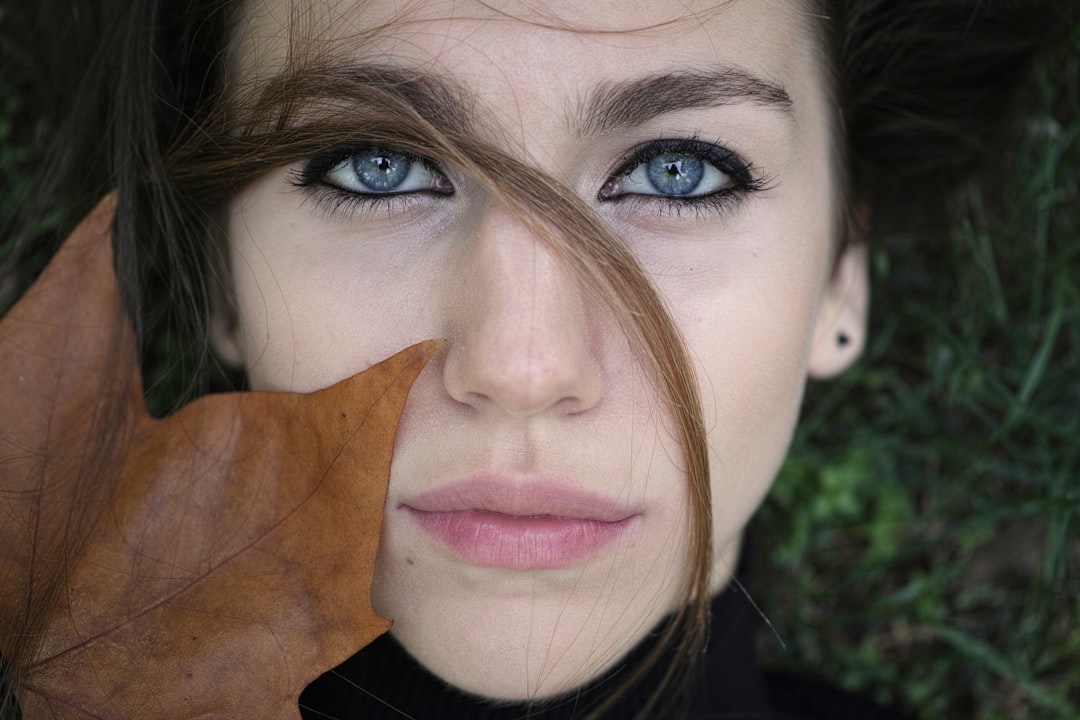
Blue eyes aren’t a single monochromatic colour—they exist across a spectrum. Some blue eyes lean towards a deeper, almost grey-tinged sapphire, whilst others sparkle with a lighter, more crystalline quality. True complement comes from recognising your eye’s undertone and pairing it intelligently with hair pigment. This isn’t mystical; it’s based on colour theory that cosmetic professionals understand intimately.
The intensity of your natural hair colour also matters. Pale skin with steel-blue eyes calls for different choices than deeper skin tones with similar eye colour. Rather than adopting one universal rule, you’ll need to consider the contrast between your skin, eyes, and hair as an interconnected whole.
Warm Hair Colours That Complement Blue Eyes
Golden and honey-toned shades create striking contrast against blue irises. These warm colours draw out the cooler notes in your eyes, making them appear brighter and more pronounced. A professional colourist would recommend warm tones particularly if you have fair or medium skin.
Honey Blonde and Golden Tones
Honey blonde sits at approximately 7-9 on the hair colour scale and works exceptionally well for this pairing. The warmth in the pigment makes blue eyes “pop” without appearing harsh. Light gold highlights running through darker base colours achieve similar results and cost around £60-£120 for professional balayage, depending on your location and hair length.
Real results matter more than theory. Emma, a Bristol-based marketing professional with shoulder-length dark blonde hair and bright blue eyes, decided to add honey-blonde babylights to her natural base. Within two weeks, friends mentioned her eyes looked more vibrant—a shift she credited entirely to the warmer surrounding tones. This subtle shift demonstrates how accessibly transformative the right shade can be.
Copper and Warm Auburn
Copper hues introduce warmth and drama simultaneously. True copper shades (levels 6-8 with warm red undertones) create genuine visual warmth that amplifies blue eyes without competing for attention. Auburn offers a slightly deeper, more sophisticated version. Budget approximately £80-£150 for a full copper colour application at a decent UK salon.
Cool Hair Colours That Enhance Blue Eyes
Ash, platinum, and cool-toned brunettes approach the same goal from a different angle. Rather than using warmth to pop blue eyes, cool tones create sophisticated harmony. These shades suit cooler skin undertones and eyes with greyer or steelier blue notes.
Ash Blonde and Platinum
Ash tones deliberately neutralise yellow and warm pigment in hair, resulting in a cooler finish. Platinum blonde represents the furthest extent of this spectrum. These shades require commitment—platinum demands monthly maintenance and costs £100-£200 per session, plus home care products (typically £30-£50 monthly). However, the result offers undeniable sophistication with blue eyes.
The relationship between ash and blue eyes functions through harmony rather than contrast. Your eyes don’t visually “pop,” but instead settle into calm, cohesive beauty. Think of Kate Middleton’s carefully maintained blonde as a reference point—cool enough to feel regal, warm enough to feel approachable.
Cool Brunette and Ash Brown
Ash brown (levels 4-6 with neutral undertones) provides a more wearable cool option for those preferring darker shades. This colour costs significantly less—approximately £40-£80 for full colour coverage. The depth creates beautiful contrast without the maintenance demands of blonde.
Comparing Common Mismatches: Why Muddy Browns Underperform
Many people assume any shade works with blue eyes. This assumption leads to genuine disappointment. Muddy brown, greige, and khaki tones sit awkwardly between warm and cool. Rather than enhancing blue eyes, they drain them. These muted, desaturated shades lack the chroma to create visual interest. If you’re tempted by a shade that appears neither warm nor cool, pause and ask whether it possesses true saturation. Dull tones need avoiding; clarity always trumps compromise.
Red and Burgundy: The Underestimated Choice
Red tones sit somewhere between warm and cool, offering unique possibilities. Deep burgundy, mahogany, and wine shades create striking depth alongside blue eyes. These colours contain enough warmth to create contrast, yet enough complexity to feel sophisticated rather than harsh. Red shades cost similarly to copper—approximately £75-£150 depending on formula and salon location.
Red fades faster than other shades, requiring colour-safe products (£8-£15 per bottle) and potentially toning treatments (£20-£40 monthly). This maintenance commitment means red works best for people who genuinely love the colour—not those treating it as experimentation.
Practical Styling Considerations Beyond Just Colour
Hair colour alone doesn’t tell the full story. Texture, shine, and condition dramatically affect how a shade appears on you. Dull, damaged hair in an otherwise beautiful colour looks worse than healthy hair in a less-ideal shade. Invest in quality shampoo and conditioner (£10-£25 monthly) and consider monthly treatments (£15-£40 per treatment).
Depth and dimension matter equally. Flat, one-dimensional colour appears cheaper and less flattering, regardless of the base shade. Babylights, balayage, or subtle highlights cost more upfront (£70-£200) but create movement that enhances blue eyes naturally.
Budget-Friendly Options for Testing Shades
Semi-permanent colour (£8-£15 per box) allows testing shades risk-free. Brands like Wella, Schwarzkopf, and Garnier offer genuine colour options without permanent commitment. Results last 4-8 weeks, providing ample time to evaluate whether a shade genuinely suits you. This approach costs a fraction of permanent colour mistakes.
Clip-in extensions and wigs designed for blue eyes also work. Temporary solutions let you visualise results before investing in permanent change. This budget-conscious strategy prevents expensive regrets.
Hair Care Requirements for Coloured Hair
Coloured hair demands specific maintenance. Invest in colour-safe shampoo and conditioner (non-negotiable for protecting your investment). Purple shampoo (£5-£10) neutralises brassy tones in blonde and ash shades, whilst colour-depositing conditioner (£8-£12) maintains vibrancy in warm tones.
Professional treatments like glossing (£20-£40 every 6-8 weeks) refresh colour between root touch-ups, extending the lifespan of your investment. Monthly deep conditioning treatments (£10-£20) maintain health and shine, making colour appear more vibrant.
Frequently Asked Questions
Can I pull off any colour with blue eyes?
Technically yes, but some shades require true commitment to maintenance and are more flattering than others. Cool skin tones with steel-blue eyes may struggle with warm orange tones, whilst warmer skin tones with lighter blue eyes might find ash blonde less impactful. Work with your natural colouring rather than against it.
How often do I need touch-ups for coloured hair?
Root touch-ups typically occur every 4-6 weeks, depending on your natural hair colour and the shade you’ve chosen. Lighter shades like platinum require more frequent maintenance (every 3-4 weeks) to avoid brassiness. Budget £40-£80 per touch-up appointment.
What’s the most budget-friendly hair colour for blue eyes?
Warm tones like honey blonde and light copper typically require less frequent touch-ups than cool tones like ash blonde, saving money long-term. If your natural hair is already warm-toned, semi-permanent colour can enhance existing warmth without permanent commitment. Semi-permanent colour costs £8-£15 per application.
Will bright blue eyes look better with bright or muted hair colours?
Bright blue eyes benefit from saturated, clearly-toned hair rather than muted shades. Whether you choose warm gold or cool ash, ensure the colour possesses true saturation. Muddy, greige, or diluted tones flatten bright eyes.
How do I know if a shade will suit my blue eyes?
Consider your skin undertone first. Cool skin suits cool tones; warm skin suits warm tones. Blue eyes enhance through contrast or harmony depending on whether you want impact or sophistication. Test with semi-permanent colour, henna, or temporary extensions before committing to permanent change.
Your blue eyes represent a genuine advantage—honour that by choosing shades with intention rather than accident. Whether you select golden honey, cool ash, or dramatic burgundy, the foundation remains unchanged: clarity, saturation, and personal preference matter infinitely more than following rules. Book a consultation with a qualified colourist if you’re uncertain; their expertise costs £25-£50 and prevents expensive mistakes. Your best hair colour isn’t what looks good on someone else—it’s what makes you feel genuinely confident, regardless of trend or theory.