How to Get Glass Hair: The Complete Guide to Achieving That Coveted Glossy Finish
9 min read
Contents:
- Understanding Your Hair’s Current State
- The Deep Conditioning Foundation
- Protein Treatments: Rebuilding from Within
- Timing Your Treatments Seasonally
- The Daily Cleansing Routine
- Leave-In Conditioners and Serums
- Heat Styling Considerations
- Glass Hair Versus Glazing Treatments
- Sustainable and Eco-Friendly Approaches
- Real-World Timeline: Achieving Results
- Frequently Asked Questions
- Can you get glass hair on all hair types?
- How often should you deep condition to maintain glass hair?
- Do you need professional treatments to get glass hair?
- Will glass hair treatments work on coloured or highlighted hair?
- What’s the difference between glass hair and healthy hair?
- Your Path Forward
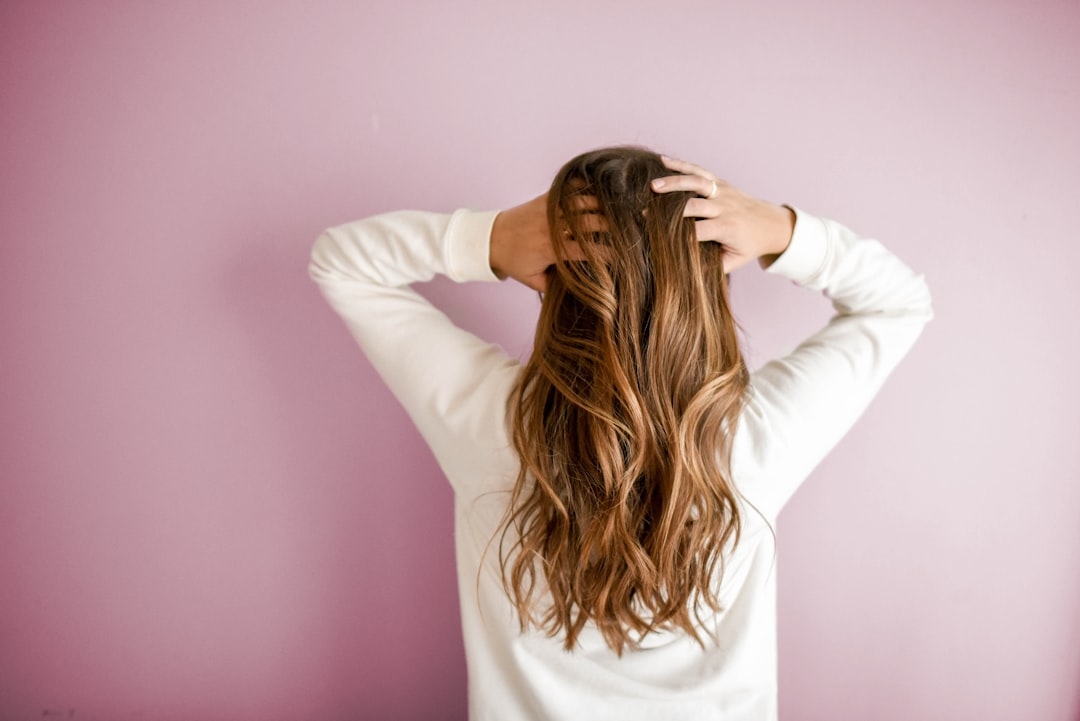
Run your fingers through your hair and feel nothing but resistance. That rough texture, the way light seems to disappear into your strands rather than bounce off them—it’s a tell-tale sign your hair needs serious rescuing. Glass hair is what happens when light catches your locks with a mirror-like quality, creating that coveted glossy, reflective shine that makes you feel immediately polished. Unlike the flat, lifeless appearance of damaged hair, glass hair catches the light from every angle, appearing thick, healthy, and genuinely luminous. Achieving this effect isn’t reserved for salon visits or professional treatments; the right approach, combined with consistent care, can transform your hair at home.
The term “glass hair” refers to hair so smooth and reflective that it appears almost translucent under light. This aesthetic trend gained particular momentum in 2024 and 2025, spreading across social media as the antidote to the overly textured, matte finishes that had dominated hair trends. By 2026, it remains one of the most sought-after looks, with people of all hair types working towards this polished aesthetic. The science behind it centres on hair smoothness—specifically, how well your cuticle layer lies flat. When cuticles are aligned properly, they reflect light uniformly, creating that glass-like appearance.
Understanding Your Hair’s Current State
Before you can transform your hair into glass hair, you need to understand where it currently stands. Dull, rough hair typically suffers from one or more of these conditions: moisture depletion, protein imbalance, heat damage, or product buildup. Assess your hair honestly. Does it feel rough to the touch? Does it frizz easily? Is the shine completely absent? These are baseline markers. Run a strand between your fingers—healthy glass hair should feel completely smooth, almost like polished silk, rather than rough or gritty.
The distinction between glass hair and simply “shiny hair” is crucial. You might achieve shine temporarily with a serum, but true glass hair reflects light consistently because the hair structure itself has been restored. This requires moving beyond surface-level treatments to address what’s happening beneath the cuticle layer. Most people conflate “shine” with “gloss,” but glossiness implies depth and consistency—your hair looks glossy from every angle, not just when you’ve applied a product.
The Deep Conditioning Foundation
Everything starts with deep conditioning. This isn’t a luxury step—it’s essential architecture for glass hair. While regular conditioners coat the hair shaft, deep conditioning treatments penetrate into the cortex, restoring moisture and protein levels that create the smooth surface necessary for that reflective quality. You’ll want to apply a deep conditioning treatment every 7-10 days initially, reducing to every 2 weeks once your hair improves.
Look for products containing hydrolysed keratin, hyaluronic acid, or ceramides. British brands like Olaplex, which markets products ranging from £18 to £54, have become staples in glass hair routines. The Olaplex No. 3 Hair Perfector (£28) specifically targets protein-moisture balance. Alternatively, Bleach London’s Repairing Mask (£22) uses natural oils and protein. For a more budget-conscious option, Cantu’s Shea Butter Leave-In Conditioning Repair Cream (£6.99) works surprisingly well as an overnight treatment.
Application matters as much as product choice. Section your hair into four quadrants using clips. Starting at the roots, apply conditioner with a focus on the mid-lengths and ends, where damage concentrates. Leave the treatment on for at least 15-20 minutes—longer is better. Many people use a warm shower cap to trap heat, which opens the cuticle and allows deeper penetration. Rinse with cool water (around 20°C) to close the cuticle and seal in moisture. This temperature difference is the difference between good results and exceptional ones.
Protein Treatments: Rebuilding from Within
Protein fills gaps in the hair shaft created by damage. Without adequate protein, your hair will look dull regardless of moisture levels. The trick is balancing protein with moisture—too much protein makes hair brittle, while too little leaves it limp and dull. Most people find a 70:30 moisture-to-protein ratio works, adjusting based on their individual hair response.
Applied protein treatments should be used every 2-4 weeks, depending on damage severity. K18 Leave-In Molecular Repair Hair Mask (£46 for 200ml) delivers impressive results but comes at premium pricing. For those seeking alternatives, Aphogee Two-Step Protein Treatment (£12) is a cult classic that delivers visible shine improvement within one application. Apply protein treatments only to the mid-lengths and ends; never apply to the scalp, as this can cause product buildup and greasiness.
Timing Your Treatments Seasonally
Plan your glass hair journey around seasonal shifts. Winter (December to February) demands more intensive moisture treatments, as heating systems and cold air strip moisture from hair. During this period, increase deep conditioning to twice weekly. Spring (March to May) is ideal for protein treatments, as your hair prepares for increased sun exposure. Summer (June to August) requires UV protection and lighter conditioning, as humidity can interfere with glass hair’s smooth finish—use leave-in products with SPF protection instead. Autumn (September to November) is your maintenance and stabilisation phase, consolidating the improvements made during other seasons.
The Daily Cleansing Routine
What you use to cleanse your hair makes an enormous difference. Harsh sulphate shampoos strip natural oils, leaving hair dry and dull. Sulphate-free formulas preserve the natural sebum that creates shine and smoothness. Brands like Function of Beauty offer custom formulations (starting at £20), whilst Briogeo’s Scalp Revival Charcoal + Tea Tree Shampoo (£18) balances cleansing without stripping.
Wash your hair every 2-3 days rather than daily, if possible. Frequent washing accelerates moisture loss and cuticle damage. When you do wash, use cool-to-lukewarm water (around 25-30°C) rather than hot, which opens the cuticle excessively. Apply shampoo only to your scalp and roots, allowing the soapy water running down during rinsing to clean the mid-lengths and ends. This distributes natural oils downward, creating that glossy finish.
Leave-In Conditioners and Serums
Leave-in products create the final layer that locks in treatment benefits and adds reflective shine. Unlike rinse-out conditioners, leave-ins remain on your hair, continuously working. Apply leave-in conditioners to damp hair immediately after washing, focusing on mid-lengths and ends. Cantu’s Leave-In Conditioning Repair Cream (£6.99) is genuinely effective and affordable. For premium options, SheaMoisture’s Raw Shea Butter Restorative Leave-In Conditioner (£12.50) contains natural ingredients that add visible shine.
Hair oils and serums add the final glossy layer. However, there’s a critical distinction: oils create shine through surface reflection, whilst properly conditioned hair creates shine from within. You need both. Apply oils sparingly—typically just 2-3 drops for medium-length hair—working from mid-lengths down. Over-oiling creates greasiness that obscures glass hair’s clarity. Moroccan argan oil serums (around £10-15) or silicone-based serums like CHI 44 Iron Guard (£12) work excellently. The key is finding the minimum amount that creates visible shine without feeling heavy.
Heat Styling Considerations
Heat damage is perhaps the biggest obstacle to achieving glass hair. Before using any heat tool, apply a heat protectant spray. These create a barrier between your hair and the tool’s surface, reducing damage by up to 72 percent according to cosmetic chemist analysis. Bumble and bumble Thermo Styling Spray (£28) or budget alternatives like TRESemmé Heat Tamer Spray (£4) both work.
When blow-drying, use lower heat settings—typically around 65°C rather than the maximum 90°C+ that many dryers reach. Finish with cool air (often a separate button on the dryer) to seal the cuticle closed. For straightening, keep your flat iron at 180-200°C maximum; temperatures above 230°C cause permanent damage that no conditioning can fully reverse.
Consider rotating heat styling days with air-drying days. Air-drying eliminates heat damage entirely, though it requires planning. Diffusing curly hair on low heat or using the Plopping method (wrapping wet hair in a towel for 15-20 minutes) reduces styling time and heat exposure significantly.
Glass Hair Versus Glazing Treatments

People often confuse glass hair with glazing treatments like glossing or toning. These salon services colour-deposit onto hair to add shine and depth, typically costing £30-60 depending on your location and salon. Glazes are fantastic supplementary treatments that enhance glass hair’s appearance, particularly for darker shades, but they’re not the same as glass hair itself.
Glass hair is about the hair’s physical condition and smoothness, achieved through conditioning, protein treatments, and careful handling. A glaze or gloss adds colour-depth that makes shine more visible, but if your hair’s cuticle isn’t smooth and properly aligned, no glaze will create true glass hair. Think of it this way: glazing is the frame, but glass hair is the artwork inside. You can have one without the other, but the combination is most striking.
Sustainable and Eco-Friendly Approaches
Building beautiful hair doesn’t require wasteful practices. Consider purchasing concentrated or refillable conditioners rather than single-use bottles—Unwrapped Life (£18 for refillable blocks) and Kérastase’s refill stations in major Boots locations reduce plastic consumption significantly. Scalp treatments like apple cider vinegar rinses (diluted 1:4 with water, costing under £3) naturally remove product buildup without chemical sulphates, restoring shine whilst being entirely sustainable.
Bamboo hair brushes and wooden combs (typically £8-15) last years longer than plastic alternatives and don’t create static electricity that damages hair. Silk pillowcases (around £15-30) reduce friction compared to cotton, protecting your glass hair whilst you sleep. These small sustainable swaps accumulate into meaningful environmental impact without compromising results.
Real-World Timeline: Achieving Results
Realistic expectations matter. Most people see noticeable improvement within 4-6 weeks of consistent treatment. Initial changes appear around week 2: hair feels smoother, frizz reduces, and colour appears richer. By week 6, the transformative effect becomes obvious—light reflects visibly, and people may comment on your hair’s improved appearance. True glass hair, the kind where light bounces dramatically off every strand, typically requires 10-12 weeks of consistent care, sometimes longer if your hair was severely damaged initially.
Document your journey with photos taken in consistent lighting. Natural daylight provides the most accurate representation of glass hair’s appearance. You’ll notice improvements that feel subtle day-to-day, but comparing week 1 to week 12 reveals dramatic transformation.
Frequently Asked Questions
Can you get glass hair on all hair types?
Yes, glass hair is achievable on every hair type—straight, wavy, curly, and coily. The principle remains identical: smoothness creates light reflection. Curly and coily hair benefits particularly from protein treatments that define curl pattern whilst adding shine. Straight hair shows gloss most dramatically, whilst textured hair displays it through individual strand definition.
How often should you deep condition to maintain glass hair?
Once you’ve achieved glass hair, maintenance requires deep conditioning every 2 weeks, combined with weekly leave-in conditioning. If your hair shows stress signs—dryness, increased frizz, or dulling—increase to weekly deep conditioning temporarily until improvement stabilises.
Do you need professional treatments to get glass hair?
Professional salon treatments accelerate results but aren’t essential. Products like K18, Olaplex, and Bleach London deliver salon-quality results at home. A quarterly professional salon treatment (around £60-100) combined with consistent home care proves most effective, though home-only approaches work if you’re committed.
Will glass hair treatments work on coloured or highlighted hair?
Absolutely. Colour-treated and highlighted hair actually benefits more from intensive conditioning, as the colouring process damages the cuticle. Use colour-safe shampoos and conditioners specifically formulated for treated hair—they’re gentler whilst still delivering moisture and protein. Glossing treatments (those mentioned earlier) particularly enhance glass hair appearance on coloured strands.
What’s the difference between glass hair and healthy hair?
Healthy hair functions well; glass hair looks exceptional. You can have healthy hair that appears dull if the cuticle isn’t properly aligned. Glass hair requires that extra refinement—specific treatments targeting smoothness and light reflection. It’s the difference between functional and truly beautiful.
Your Path Forward
Achieving how to get glass hair starts this week. Begin with a deep conditioning treatment this weekend, then establish your weekly rhythm: deep conditioning every 7-10 days, leave-in application after each wash, and strategic protein treatments every 2-4 weeks. Track results with photos taken in natural light. Within 6-8 weeks, you’ll see noticeable transformation. By 12 weeks, you’ll have achieved that coveted glossy, reflective finish that makes light dance through your hair with every movement.
The investment—whether you spend £6.99 or £46 per treatment—pays dividends through hair that feels as good as it looks. That smooth, reflective quality becomes self-reinforcing; healthy glass hair maintains itself more easily than damaged hair does. Start with the deep conditioning foundation, remain consistent, and watch your hair transform into something genuinely striking.