How to Make Hair Straight: Complete Methods for All Hair Types
8 min read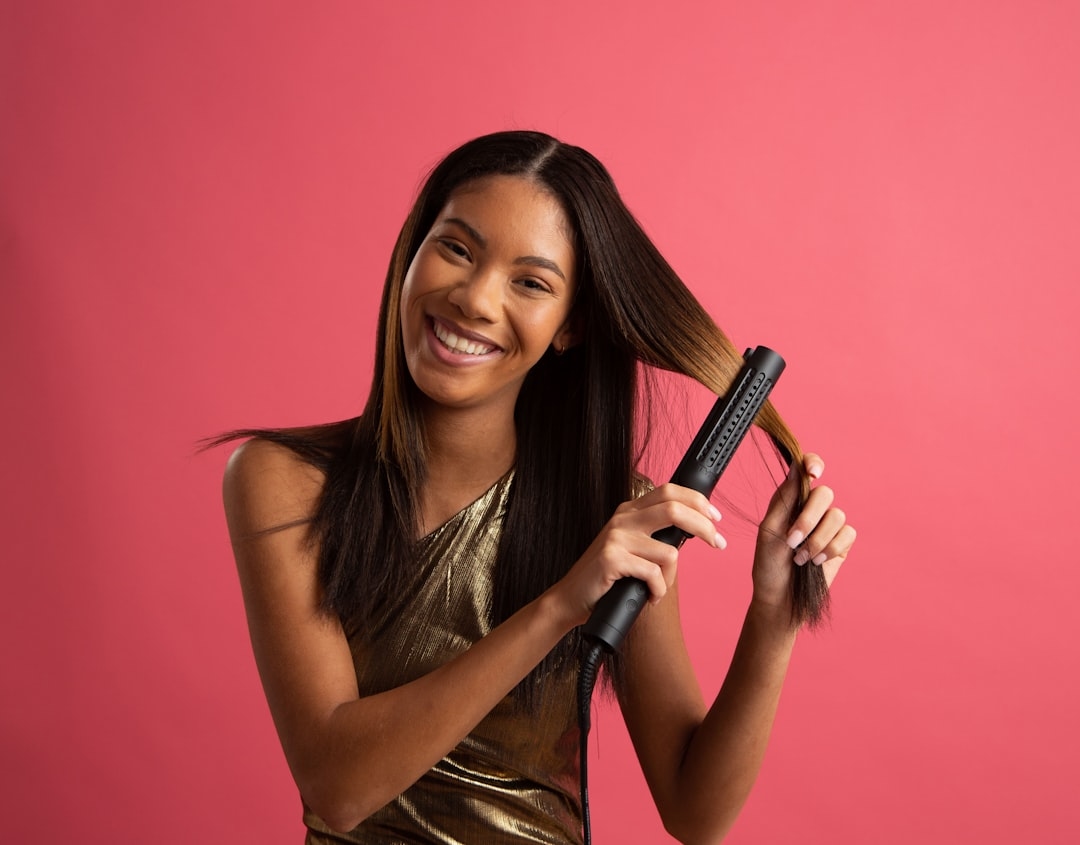
Contents:
- Understanding Why Hair Is Curly or Wavy
- Quick Temporary Methods: Flat Irons and Heat Styling
- Using a Hair Straightener (Flat Iron)
- Blow-Drying with a Brush
- Semi-Permanent Straightening: Keratin and Chemical Treatments
- Keratin Straightening Treatments
- Chemical Relaxers
- Heat-Free Methods for Straightening Hair
- Roller Setting
- Brush and Pin Method
- How to Make Hair Straight: Choosing the Right Method for You
- For occasional straightening (1-2 times monthly):
- For frequent straightening (2-3 times weekly):
- For permanent straightening:
- For heat-free preference:
- Protecting Your Hair While Straightening
- Frequently Asked Questions
- Can you make naturally curly hair permanently straight without chemicals?
- How often can you use a flat iron without damaging hair?
- Does straightening hair make it grow slower?
- Is keratin straightening treatment permanent?
- What’s the least damaging way to straighten curly hair?
You’ve looked in the mirror at your curly or wavy hair and wondered: can I make this straight? Maybe you’re tired of spending time on your curl routine. Maybe you have a special event and want a sleek finish. Or maybe you just want to know all your options so you can decide what suits your lifestyle. The answer is yes—you can make your hair straight—but the method depends on whether you want a temporary fix, a semi-permanent treatment, or a long-term solution.
Quick Answer
The fastest way to make hair straight is using a flat iron (hair straightener): costs £20-150, takes 15-30 minutes, and lasts 1-3 days depending on humidity. For semi-permanent straightening, keratin treatments (£150-300) last 3-4 months. For permanent straightening, chemical relaxers work but carry damage risks and require professional application. Blow-drying with a brush offers a heat-free intermediate option. Choose based on your hair type, budget, and how long you want the results to last.
Understanding Why Hair Is Curly or Wavy
Before learning how to make hair straight, understanding hair structure helps you choose the right method. Hair structure is determined by the shape of your hair follicles and how proteins (particularly keratin) align within each strand. Curved or spiral follicles produce curly or wavy hair. Straight follicles produce straight hair. The cross-section of curly hair is typically flattened; straight hair is rounder.
This matters because no temporary method changes your hair’s fundamental structure. A flat iron bends curly hair straight whilst you’re styling it, but once the hair cools, it reverts to its natural shape. Only permanent or semi-permanent treatments alter the protein structure itself, genuinely changing your hair’s pattern.
Knowing this helps you choose realistically. If you want to make hair straight daily, a flat iron works. If you want permanent straightening, you need chemical treatments or procedures.
Quick Temporary Methods: Flat Irons and Heat Styling
Using a Hair Straightener (Flat Iron)
A flat iron is the fastest, most reversible way to make hair straight. The tool uses heat (typically 150-230°C) to temporarily straighten the protein structure of each hair strand. Once the hair cools, it relaxes back toward its natural pattern, but whilst warm, it’s completely straight.
How to use: Wash your hair and blow-dry it until it’s roughly 80% dry. Section your hair into four quadrants (top, bottom left, bottom right, sides). Starting from the roots, clamp a 1-inch section of hair in the flat iron and slowly glide downward to the ends. Overlap sections slightly to ensure complete coverage. This takes 15-30 minutes depending on hair length and thickness.
Product recommendation: Budget flat irons cost £20-40 (brands like Revlon from Superdrug); professional-grade tools run £80-150 (ghd, BaByliss). Cheaper models heat unevenly and damage hair faster. A mid-range flat iron (£50-80) balances quality and cost.
Results duration: Straightening typically lasts 1-3 days. Humidity, sleeping, and physical activity all cause hair to revert. In wet climates, results may deteriorate within 24 hours.
Damage consideration: Regular flat iron use (3+ times weekly) damages hair over time because repeated heat exposure weakens the protein structure. Use a heat protectant spray (£8-12) before styling, and use lower temperatures (160-180°C) rather than maximum heat.
Blow-Drying with a Brush
A blow-dryer with a round brush or paddle brush straightens hair using heat and tension simultaneously. This method is gentler than a flat iron because heat is more diffuse, but it requires technique.
How to use: Wash and partially dry your hair. Working in 1-inch sections, blow-dry each section whilst brushing it straight, directing the airflow downward along the hair shaft. A round brush creates subtle waves; a paddle brush creates straighter results. This method takes 20-40 minutes depending on hair length.
Results duration: 1-2 days, similar to flat iron straightening. The effect reverses when hair gets wet or humid.
Damage consideration: Blow-drying is gentler than flat iron styling but still uses heat. Combine with a heat protectant spray.
Semi-Permanent Straightening: Keratin and Chemical Treatments
Keratin Straightening Treatments
Keratin treatments temporarily straighten hair by coating strands with a protein polymer that fills gaps in the hair cuticle and smooths the surface. They don’t chemically alter hair structure (unlike relaxers), so they’re safer, but results are temporary.
Cost: £150-300 per treatment at UK salons.
Duration: 3-4 months. Results gradually fade as the coating wears away with shampooing and heat styling.
Process: Applied in-salon in one appointment (2-3 hours). The treatment is applied to damp hair, left for 10-20 minutes, then heat-sealed. You can wash your hair 48 hours later but must avoid water for the first 2-3 days whilst the coating sets.
Results: Hair becomes straighter, smoother, and shinier. Curly hair may be 70-80% straighter; wavy hair becomes nearly straight. Results vary based on hair type and treatment strength.
Maintenance cost: Regular deep conditioning treatments during the treatment period (£8-15 per mask, 1-2 applications weekly) extend results. Plan £50-70 total maintenance costs over 3-4 months.
Damage consideration: Quality keratin treatments cause minimal damage. Extremely cheap treatments sometimes use lower-quality formulations that build up on hair or contain harsh chemicals. Stick with established salons using professional brands.
Chemical Relaxers
Chemical relaxers permanently alter hair structure by breaking and reforming the disulphide bonds that give hair its curl pattern. They’re powerful and effective but also the most damaging method.
Cost: £80-200+ depending on salon and hair length.
Duration: Permanent. As new hair grows, it’s your natural texture (usually curly); treated hair remains straight. Most people retouch relaxers every 8-12 weeks (focusing only on new growth).
Safety consideration: Chemical relaxers contain sodium hydroxide or calcium hydroxide, which can burn scalp and skin if applied incorrectly. Professional application is strongly recommended rather than DIY. Experienced stylists apply relaxer only to new growth, avoiding previously treated hair, which prevents over-processing and damage.
Results: Permanently straight hair. Curly hair becomes completely straight; wavy hair becomes silky straight.
Damage consideration: This is the most damaging straightening method. Hair becomes fragile and prone to breakage, particularly if relaxer is applied to previously treated hair or left on too long. Maintenance includes regular deep conditioning (twice weekly), gentle handling, and protective styling. Many people experience significant breakage and damage with relaxers.
Quote from Sarah Mitchell, certified trichologist at the London Hair Clinic: “Relaxers are effective, but the maintenance burden is real. Most of my clients using relaxers spend £40-60 monthly on professional deep conditioning to prevent breakage. If you’re unwilling to commit to that maintenance, a temporary method like keratin treatment is often more realistic.”
Heat-Free Methods for Straightening Hair
Roller Setting
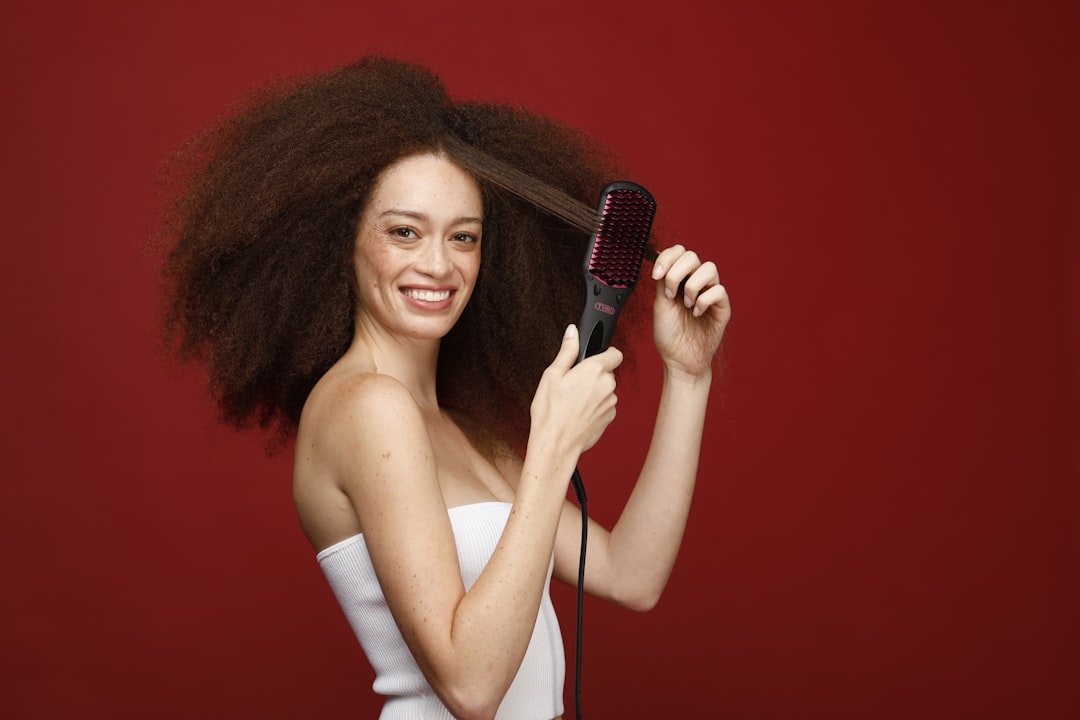
Large velcro rollers (50mm diameter) smooth and straighten hair without heat. Wind damp hair around rollers after washing, let it air-dry or use a cool blow-dryer setting, then remove rollers. Hair dries into a straighter, smoother pattern.
Cost: £5-12 for a set of rollers (one-time purchase).
Duration: 1-2 days depending on humidity and your natural curl pattern.
Process time: Wind rollers into damp hair (10-15 minutes), wait 1-2 hours for air-drying (or use a cool blow-dryer, 20-30 minutes), then unwind.
Limitations: This method works best on wavy or loosely curly hair. Tight curls often bounce back quickly. Results are less dramatic than heat-straightening methods.
Brush and Pin Method
A more extreme version: brush damp hair straight, pin it flat to your head with clips, and let it air-dry. Once dry, remove clips. Your hair dries in a straighter position.
Cost: Free (using existing brushes and clips).
Duration: 1-2 days.
Process time: 5 minutes to set up, then waiting for hair to air-dry (1-3 hours depending on length and thickness).
Limitations: Results are minimal on very curly hair but work decently on wavy hair.
How to Make Hair Straight: Choosing the Right Method for You
For occasional straightening (1-2 times monthly):
Use a flat iron. Cost per use is negligible; results are immediate; no long-term commitment required. Invest in a decent flat iron (£60-100) to avoid hair damage.
For frequent straightening (2-3 times weekly):
Keratin treatment becomes economical. Initial cost is £150-300, but it lasts 3-4 months and eliminates the need for daily heat styling. Maintenance is simple: regular shampooing and occasional deep conditioning.
For permanent straightening:
Chemical relaxers work but require significant maintenance and carry damage risks. Only pursue this if you’re committed to professional maintenance (£40-60 monthly for deep conditioning) and accepting of ongoing breakage risks.
For heat-free preference:
Roller setting or the pin method work on wavy hair but aren’t effective on tight curls. Results are subtle and temporary. These suit people wanting minimal hair damage who don’t need dramatically straight hair.
Protecting Your Hair While Straightening
Use heat protectant spray: Always apply before using flat irons or blow-dryers. These sprays create a thin barrier that reduces heat damage by up to 30-40%. Cost £8-12 per bottle; one bottle lasts 2-3 months.
Don’t straighten already-dry hair: Straightening damp hair (rough-dried to 60-70% dry) requires less heat and causes less damage than straightening bone-dry hair, which needs much higher temperatures.
Use lower temperatures: Most people can achieve straightness at 160-180°C rather than the maximum 230°C. Lower temperatures mean less damage. Experiment with your flat iron’s temperature dial.
Don’t straighten more than 3 times weekly: Cumulative heat damage becomes visible and permanent after regular overuse. Space out straightening sessions when possible.
Deep condition weekly: Heat-straightened hair needs reinforcement. Weekly deep conditioning treatments (£8-15 per application) restore moisture and strength that heat removes.
Frequently Asked Questions
Can you make naturally curly hair permanently straight without chemicals?
No. Permanent straightening requires chemical treatments (relaxers) or very advanced procedures like keratin bonding, which alter protein structure chemically. Heat straightening is temporary; once hair gets wet, it reverts to its natural curl pattern. Keratin treatments are semi-permanent (3-4 months). True permanent non-chemical straightening doesn’t exist.
How often can you use a flat iron without damaging hair?
Professional stylists recommend limiting flat iron use to 2-3 times weekly. Daily use damages hair noticeably within 3-6 months, causing brittleness and breakage. If you need to straighten daily, keratin treatment becomes more economical and less damaging.
Does straightening hair make it grow slower?
Heat styling doesn’t slow growth at the root, but it causes breakage and split ends, making hair appear to grow slower (because the ends break off as quickly as new hair grows). Deep conditioning and minimal heat styling allow you to retain length better.
Is keratin straightening treatment permanent?
No, it’s semi-permanent. The protein coating gradually wears away with shampooing, heat styling, and time. Results typically last 3-4 months, then gradually fade. It’s not permanent like chemical relaxers.
What’s the least damaging way to straighten curly hair?
Roller setting and pin methods are least damaging because they use no heat. For actual straightening results without chemical treatments, keratin treatment is the least damaging method because it doesn’t alter hair structure permanently and doesn’t involve harsh chemicals like relaxers.